
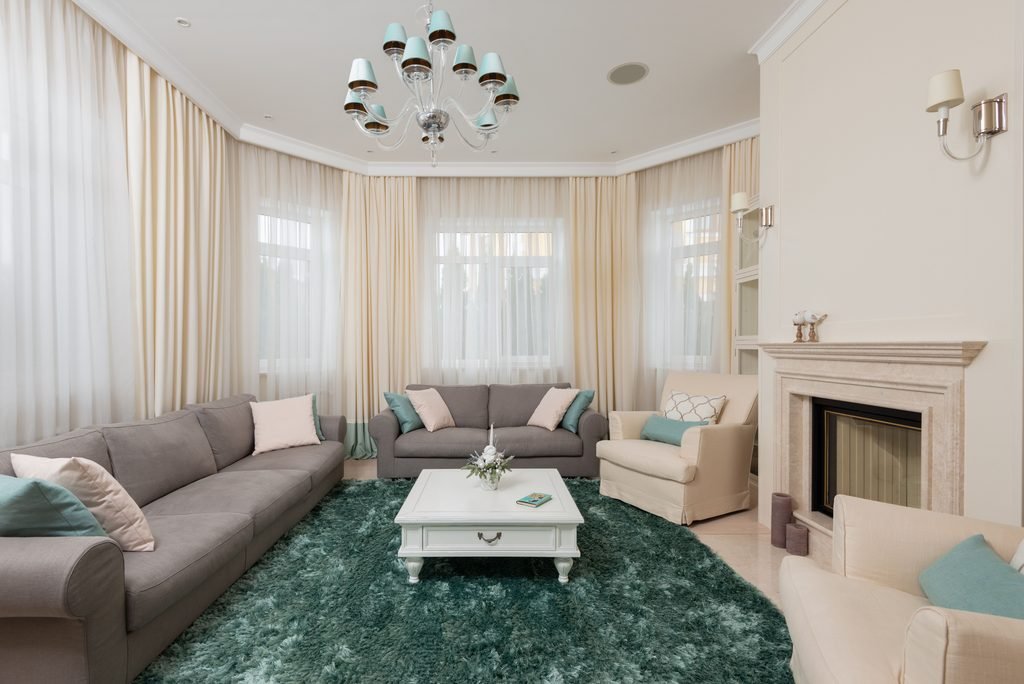
A home doesn’t need expensive furniture or designer accessories to look polished. Sometimes, a room can feel less refined simply because of a few common decorating mistakes—furniture that is too large, rugs that are too small, poor lighting, clutter, or decor that lacks a personal touch.
The good news is that most of these problems are easy to fix without replacing everything in your home.
Whether you’re decorating a small apartment, refreshing a rental, or simply trying to make your home feel more put-together, these 10 decor mistakes are worth checking before you spend money on anything new.
1. Overcrowding Your Space With Too Much Furniture
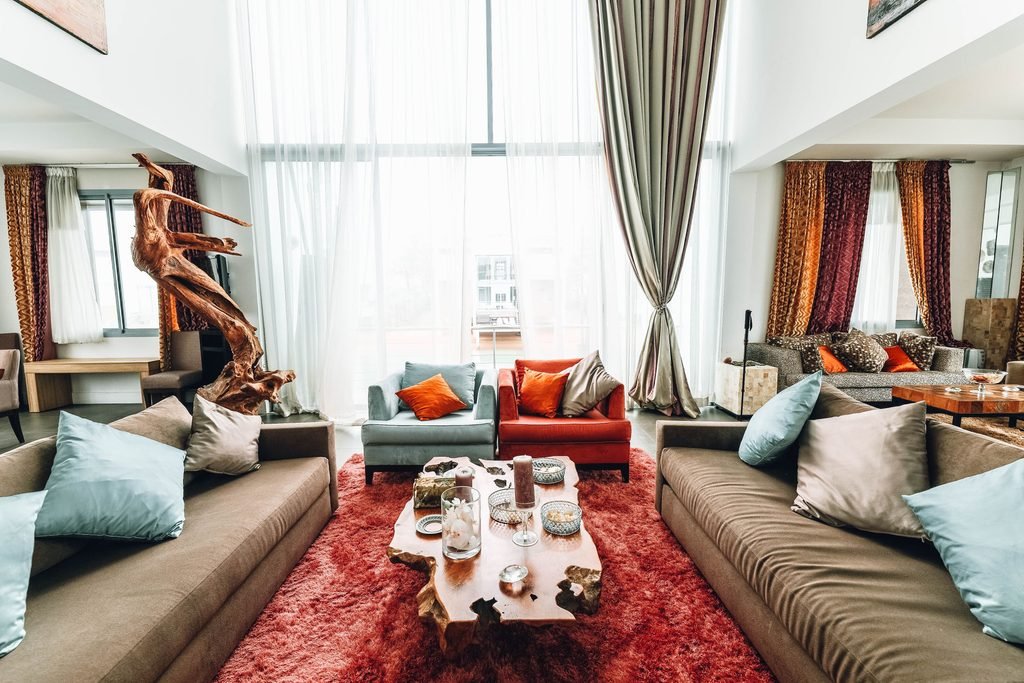
One of the quickest ways to make a room feel messy is filling it with more furniture than the space can comfortably handle.
A sofa, coffee table, chairs, side tables, storage pieces, and decorative furniture can all look great individually. But when everything is squeezed together, the room can lose its sense of balance and become difficult to move through.
How to Fix It
Start by removing one or two pieces instead of immediately buying something new.
Ask yourself:
- Can people walk through the room comfortably?
- Does every furniture piece have a purpose?
- Is there enough visual space around the larger pieces?
- Are some surfaces being used mainly to hold clutter?
You don’t need an empty room. You need enough breathing room for the furniture you already have.
Quick Fix
Take a photo of the room from the doorway. A photograph can make overcrowding easier to notice than looking at the room normally.
2. Using the Wrong Size Rug for Your Room
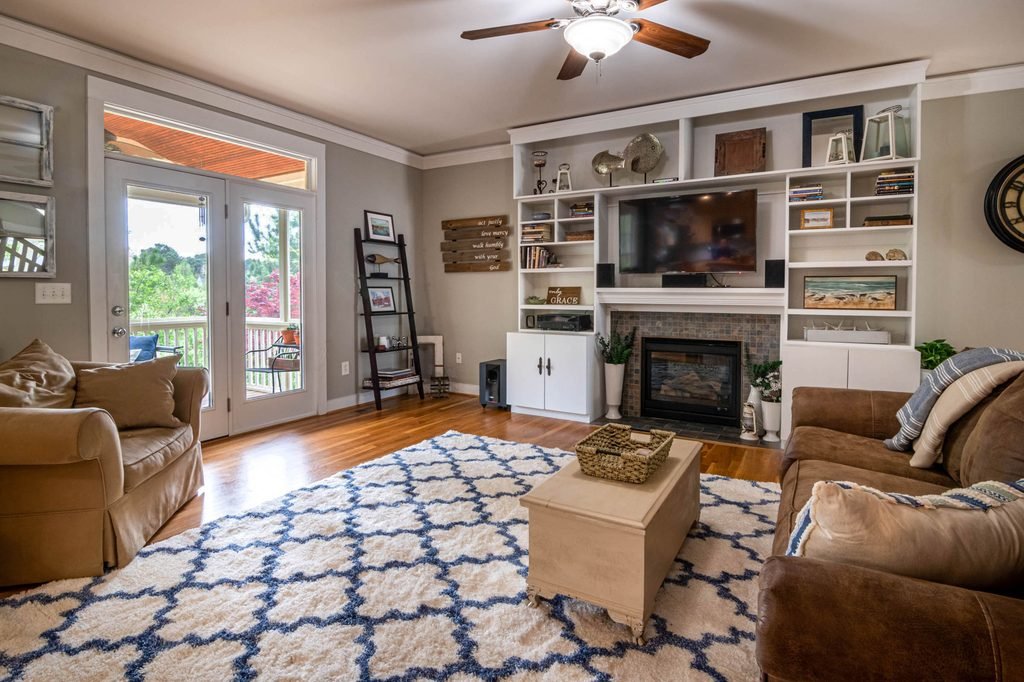
A rug can visually connect furniture and make a room feel finished. But a rug that is too small can make an otherwise attractive furniture arrangement feel disconnected.
A common mistake is choosing a rug based only on whether it fits under the coffee table.
How to Fix It
For a living room, use the furniture arrangement as your starting point.
Depending on the room and rug size, the front legs of a sofa and chairs can sit on the rug, or larger furniture pieces can fit more completely within it.
For dining areas, make sure the rug extends far enough beyond the table for chairs to remain on the rug when they are pulled out.
Quick Rug Guide
Small living room: Choose a size that visually connects the main seating area.
Larger living room: Consider placing the main seating group partially or fully on the rug.
Dining room: Leave enough rug space for chairs to remain on it when pulled out.
Bedroom: Position the rug so it visually anchors the bed and surrounding area.
The goal isn’t a magic measurement. It’s visual connection, proportion, and balance.
3. Hanging Artwork at the Wrong Height
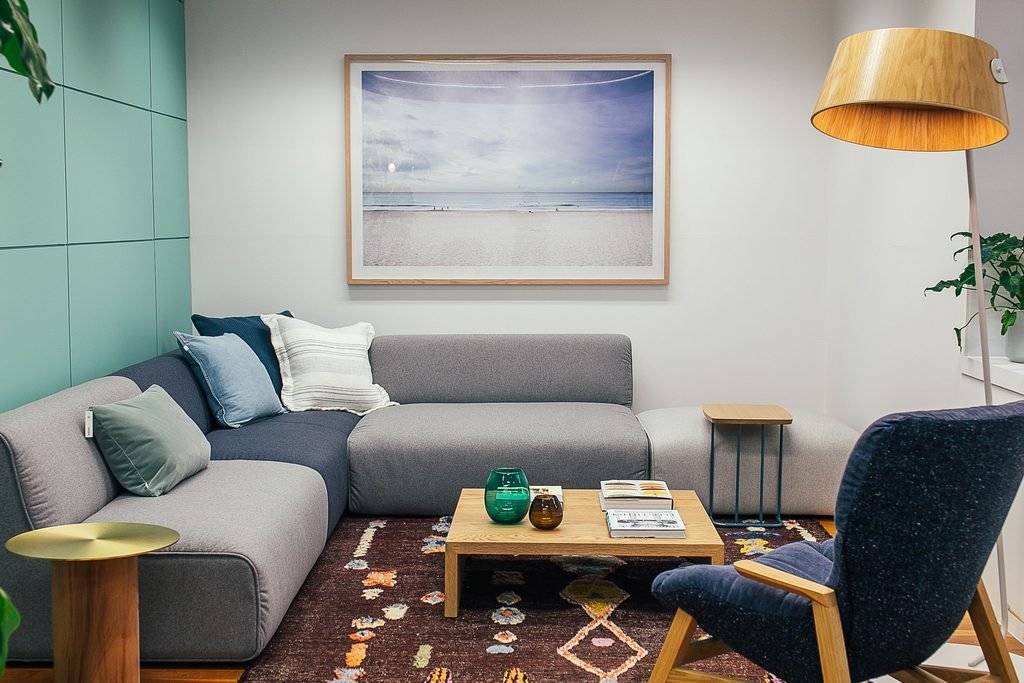
Beautiful artwork can still look awkward when it is hung too high or too low.
Artwork should generally relate to the people using the room and to the furniture beneath it—not simply to the height of the ceiling.
How to Fix It
For a single piece of artwork, use eye level as a starting point. When artwork hangs above a sofa, console, or other furniture, treat the furniture and artwork as one visual arrangement.
Also consider the size of the wall. A tiny frame floating alone on a large wall can look unfinished, while an oversized piece in a narrow area can feel overwhelming.
Quick Fix
Before drilling holes, cut paper to approximately the size of the artwork and temporarily tape it to the wall.
Step back and check the proportions from several angles before making any permanent holes.
4. Ignoring the Power of Proper Lighting
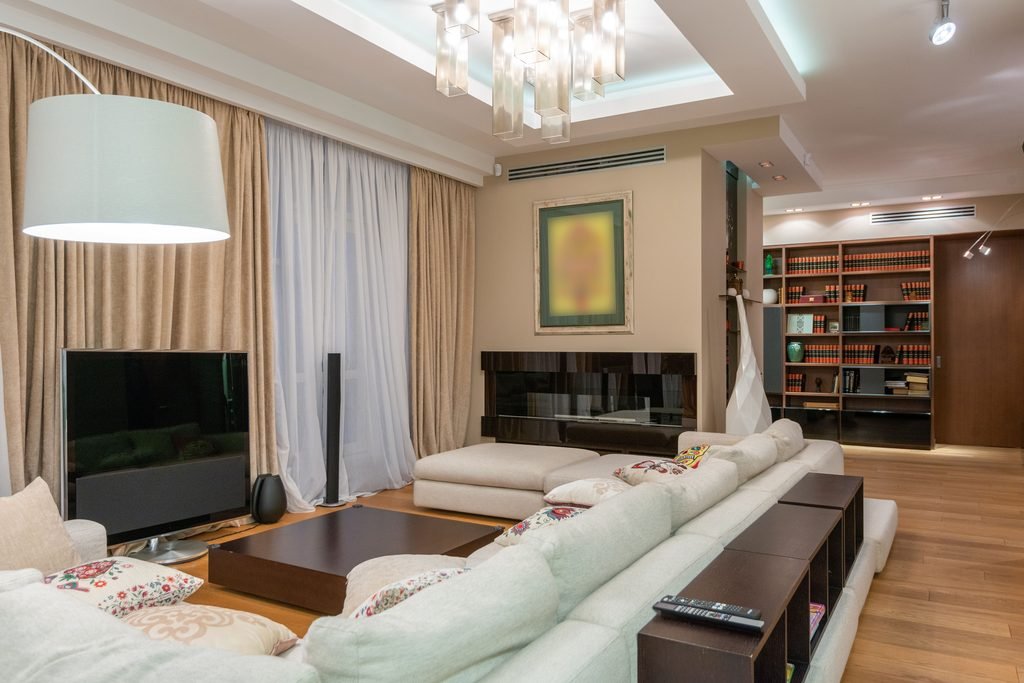
Even a beautifully decorated room can feel flat when it relies on a single harsh ceiling light.
Good lighting creates depth and helps different areas of a room feel more intentional.
Use Three Types of Lighting
Ambient lighting: Provides general illumination throughout the room.
Task lighting: Helps with activities such as reading, working, or cooking.
Accent lighting: Highlights artwork, shelves, architectural details, or decorative objects.
You don’t necessarily need expensive fixtures. A floor lamp, table lamp, wall light, or strategically placed accent light can make a noticeable difference.
Quick Fix
Turn off your main ceiling light in the evening and switch on your lamps instead. If the room immediately feels more comfortable, you may benefit from more layered lighting.
5. Choosing Paint Colors Without Testing Them
Paint color can look completely different depending on natural light, artificial lighting, room size, and surrounding finishes.
Choosing a color from a small online image or store card without testing it in your actual room can lead to disappointing results.
How to Fix It
Before committing to a full room:
- Test a few paint samples.
- Look at them during the morning and evening.
- Check them under your artificial lighting.
- Compare them with your flooring and furniture.
- Give yourself time to live with the samples.
Don’t choose a color simply because it looks beautiful in someone else’s home.
Quick Fix
If repainting isn’t possible, work with the existing color. Use lighting, textiles, artwork, and accessories that complement the walls instead of fighting against them.
6. Neglecting Window Treatments
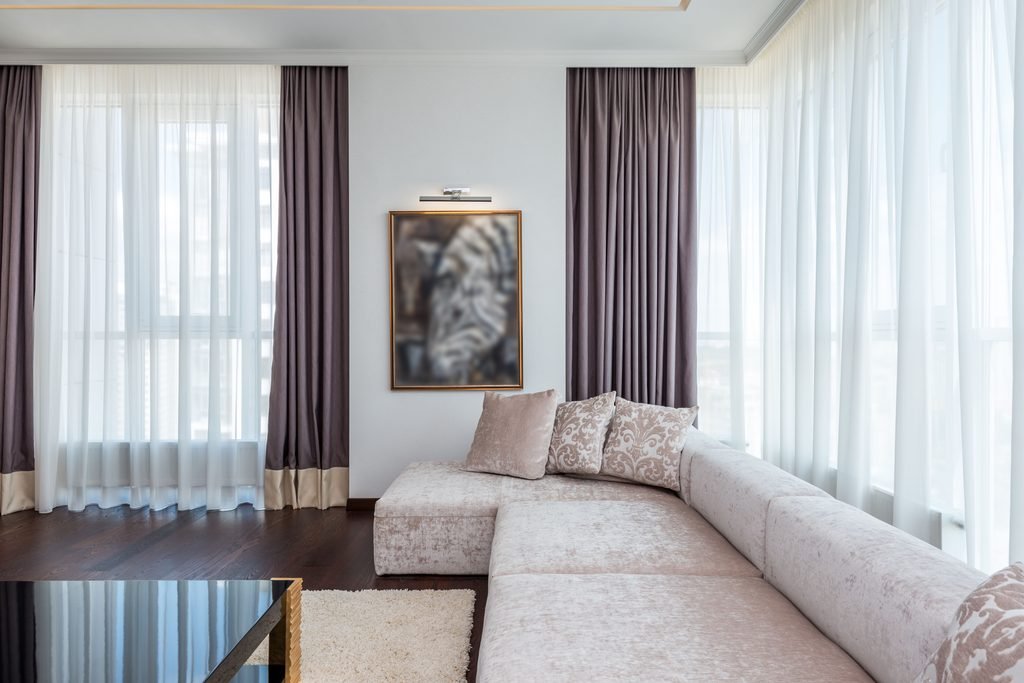
Bare windows aren’t automatically a decorating mistake, especially in minimalist spaces. But in many rooms, unfinished windows can make the space feel less complete.
The right window treatment can add softness, privacy, texture, and visual height.
How to Fix It
Choose curtains or shades according to the room’s needs.
Consider:
- Fabric weight
- Privacy
- Natural light
- Window size
- Ceiling height
- Existing furniture
Rather than following a rigid rule, aim for a treatment that makes the window feel proportional to the wall and the rest of the room.
Quick Fix
If your curtains look too short or narrow, replacing them with panels that better fit the window and wall can make the entire room feel more intentional.
7. Over-Relying on Matching Furniture Sets
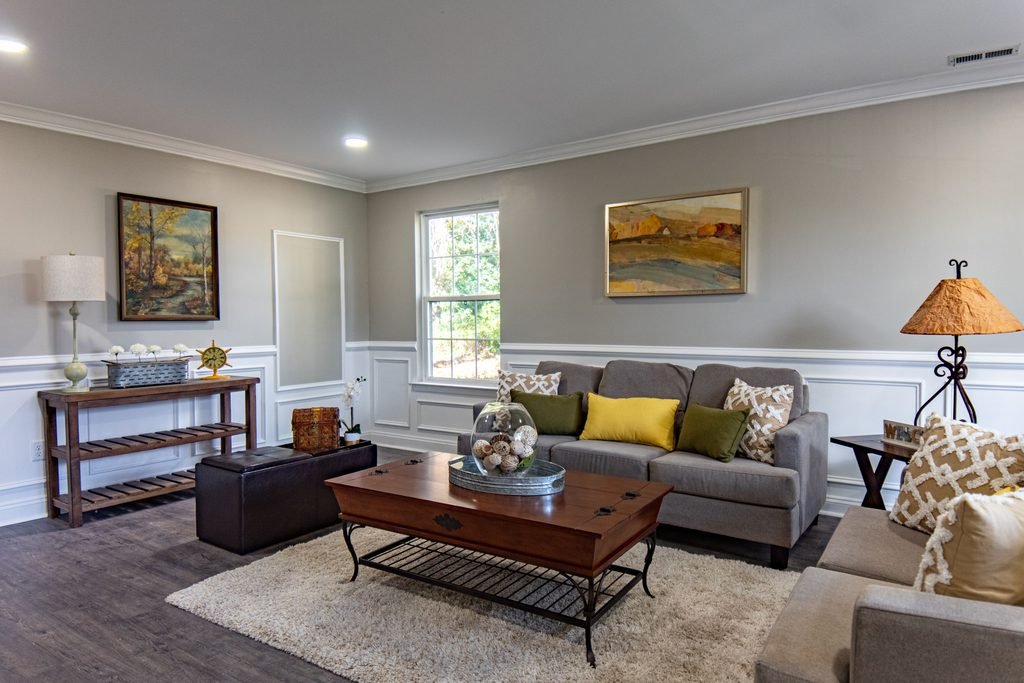
Buying a complete matching bedroom or living-room set may seem like the easiest option, but when every piece has exactly the same finish, shape, and style, the room can sometimes feel visually flat.
A polished room often benefits from some variation.
How to Fix It
Mix complementary:
- Wood tones
- Textures
- Shapes
- Materials
- Furniture styles
- Accent colors
The key is coordination—not randomness.
For example, a traditional wood table can work alongside a modern upholstered chair when another element connects the two styles.
Quick Fix
Instead of replacing your furniture, change one or two supporting elements, such as a lamp, artwork, throw, side table, or accent chair.
8. Skipping Decorative Accessories and Personal Touches
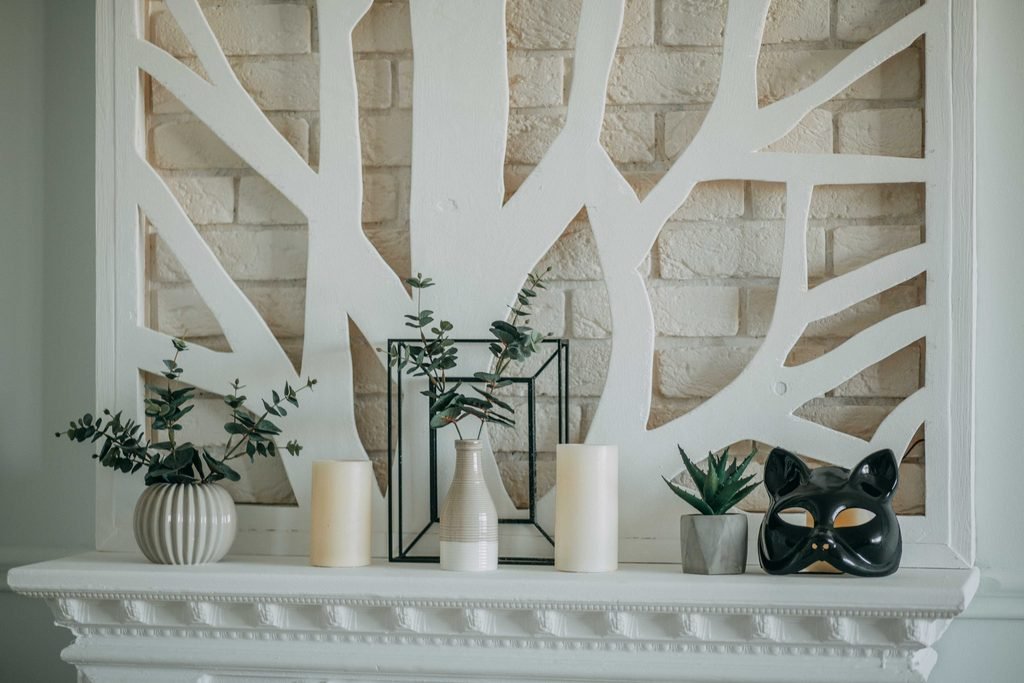
Minimalism doesn’t mean a room needs to feel empty.
A home can look unfinished when there is no visual personality, particularly when large areas are completely bare and every surface lacks texture or interest.
How to Fix It
Add a small number of meaningful elements:
- Books
- Framed photos
- Artwork
- Plants
- Baskets
- Decorative objects
- Textured cushions
- Throws
- Handmade pieces
Don’t fill every empty surface.
Instead, group a few objects at different heights and leave some negative space around them.
Quick Fix
Choose three items you genuinely like and create a small display on a shelf, console, or coffee table.
9. Leaving Walls Completely Bare
Not every wall needs decoration. In fact, leaving some walls intentionally empty can make a room feel calmer.
The problem occurs when large areas feel bare because the room lacks visual balance.
How to Fix It
Depending on your style, consider:
- One large artwork
- A small gallery wall
- A mirror
- Floating shelves
- A large plant
- Textured wall decor
- A carefully styled console
If you’re renting, removable options can add personality without permanent changes.
Quick Fix
Instead of buying several small decorations, consider one appropriately scaled focal piece.
10. Overlooking the Importance of Decluttering
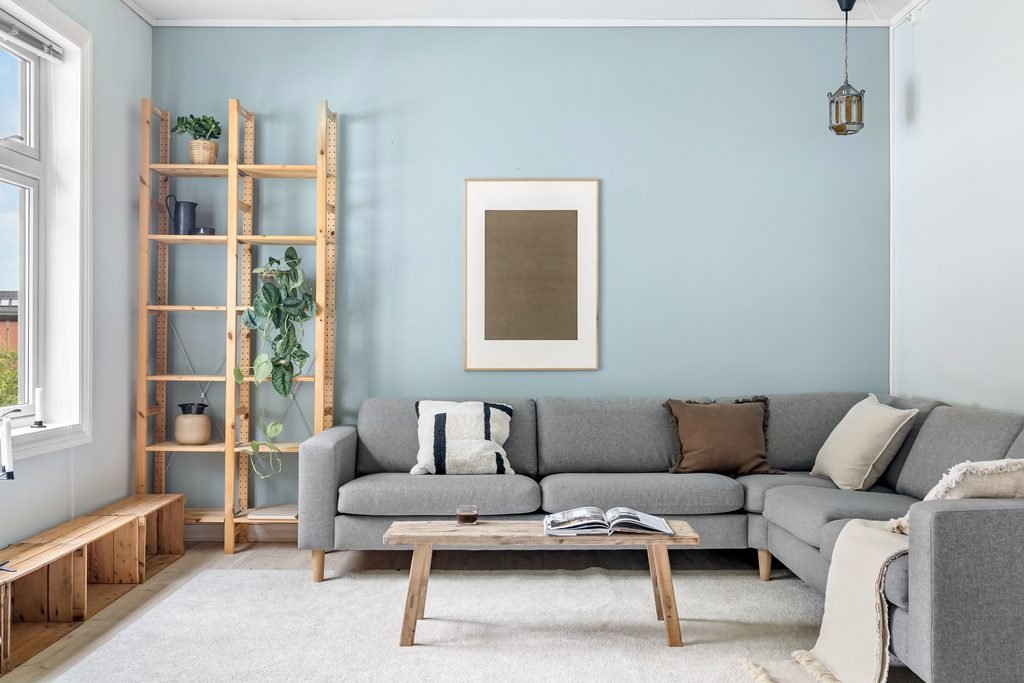
Even expensive furniture can look less polished when surrounded by unnecessary items.
Clutter competes for attention and makes it harder for your best furniture and decor pieces to stand out.
How to Fix It
Use the simple KEEP, MOVE, REMOVE method.
KEEP: Items you use or genuinely enjoy.
MOVE: Items that belong somewhere else.
REMOVE: Broken, unnecessary, or rarely used items.
Then organize what remains.
Closed storage, baskets, drawers, and cabinets can help keep everyday items accessible without making every surface visually busy.
Quick Fix
Pick one surface—your coffee table, kitchen counter, nightstand, or entryway—and clear it completely. Then put back only what is useful or intentional.
A 15-Minute Decor Audit
You don’t need to redecorate your entire home in one weekend.
Try this quick audit instead.
Minutes 1–3: Check the furniture
Look for furniture that blocks pathways or makes the room difficult to use.
Minutes 4–6: Check the rug
Does the rug visually connect the furniture, or does it look isolated underneath one small area?
Minutes 7–9: Check the walls
Look for artwork that feels too high, too small, or disconnected from the furniture.
Minutes 10–12: Check the lighting
Identify whether the room relies entirely on one overhead light.
Minutes 13–15: Declutter
Remove obvious visual distractions from the most visible surfaces.
Take another photo from the doorway.
You may be surprised by how much difference these small changes can make.
How to Make Your Home Look More Expensive Without Spending a Lot
You don’t necessarily need expensive decor to create a more polished home.
Focus on these priorities first:
- Improve the layout.
- Remove unnecessary clutter.
- Choose appropriately sized rugs and artwork.
- Layer your lighting.
- Add texture through textiles.
- Mix complementary materials instead of matching everything.
- Display fewer, better-chosen accessories.
- Keep frequently used areas organized.
In other words, polished doesn’t have to mean expensive.
A thoughtfully arranged room with affordable furniture can feel much more intentional than a room filled with expensive pieces that don’t work together.
The Best Order to Fix Decorating Mistakes
If your budget is limited, don’t try to fix everything at once.
Use this order:
1. Declutter → 2. Rearrange furniture → 3. Fix proportions → 4. Improve lighting → 5. Add textiles → 6. Add artwork and accessories
This approach prevents you from spending money on decor before solving the underlying problems.
For example, buying another decorative object won’t solve a room that’s already overcrowded.
Frequently Asked Questions
What makes a home look cheap?
A home can look less polished when it has excessive clutter, poorly scaled furniture or rugs, inadequate lighting, unfinished walls, or decor that feels disconnected. These issues are usually about proportion, balance, and organization rather than price.
How can I make my home look expensive on a budget?
Start with free changes such as decluttering and rearranging furniture. Then focus on lighting, appropriately sized rugs, coordinated textiles, artwork, and a few intentional accessories instead of buying lots of new decorations.
Does a small rug make a room look cheap?
Not necessarily, but a rug that is noticeably too small for the furniture arrangement can make the room feel visually disconnected. Choose a rug size that helps anchor the main furniture group.
How high should artwork be hung?
Eye level is a useful starting point for artwork, but the ideal position also depends on the artwork’s size, the wall, and the furniture below it. Always consider the entire arrangement rather than the wall alone.
Is matching furniture bad?
Not at all. Matching furniture can work well. The issue is that using identical furniture pieces throughout an entire room can sometimes create a flat or overly coordinated appearance. Mixing complementary textures, shapes, and finishes can add depth.
How can I make a small room look more polished?
Prioritize clear walkways, appropriately scaled furniture, uncluttered surfaces, layered lighting, and a limited number of well-chosen decorative pieces. In small rooms, proportion and organization often matter more than the number of decorations.
Final Takeaway
The biggest decorating mistakes aren’t necessarily about buying the wrong expensive products. They’re usually about scale, balance, lighting, clutter, and visual intention.
Before spending money on new furniture or accessories, look at what you already have.
Move something.
Remove something.
Change the lighting.
Reposition the artwork.
Clear a surface.
Try a different arrangement.
Those small adjustments can often make your home feel more cohesive and polished without requiring a complete makeover.
The goal isn’t to make your home look expensive. It’s to make it look intentional, comfortable, and genuinely yours.
Pingback: Home Decor Ideas for Every Room and Budget - nestorahomeguide.com
Pingback: Living Room Decor Ideas: 25 Ways to Create a Cozy Space
Pingback: Rug Size Guide: How to Pick the Right Size for Any Room
Pingback: How to Style a Coffee Table: Step-by-Step Looks That Work
Pingback: Cheap Home Decor Ideas That Look Expensive: 20 Upgrades