
Creating a beautiful home does not always mean buying expensive furniture or completely changing every room. Often, the biggest difference comes from small choices such as better lighting, a thoughtful color palette, practical storage, and a few pieces that reflect your personality.
The right home decor can make a space feel more comfortable, organized, and welcoming without making it look overly styled. Whether you are decorating a new home, refreshing one room, or working with a limited budget, there are plenty of simple ways to make your space feel more like your own.
In this guide, you will find practical home decor ideas for different rooms, budgets, and decorating styles, along with simple tips for making everything work together.
Table of Contents
- Start With the Way You Use Your Home
- Choose a Simple Color Direction
- Home Decor Ideas for the Living Room
- Home Decor Ideas for the Bedroom
- Home Decor Ideas for the Kitchen
- Home Decor Ideas for the Bathroom
- Home Decor Ideas for Small Spaces
- Make Lighting Part of the Decor
- Use Textures to Add Warmth
- Decorate Your Walls Without Overdoing Them
- Add Storage That Looks Good
- Refresh Your Home on a Small Budget
- Where to Spend More and Where to Save
- Common Home Decor Mistakes to Avoid
- How to Make Different Rooms Feel Connected
- A Simple Home Decor Formula
- Frequently Asked Questions
- Final Thoughts
1. Start With the Way You Use Your Home
Before buying anything new, think about how each room is actually used.
A living room that is mainly used for relaxing needs comfortable seating and useful lighting. A bedroom should feel calm and uncluttered. A kitchen benefits from practical organization, while a bathroom may need simple storage and easy-to-clean accessories.
Good home decor starts with function.
Instead of choosing an item simply because it looks attractive, consider whether it works well in the space. A beautiful chair that blocks a walkway or a large table that makes a room difficult to move around can make the entire space feel less comfortable.
Start with the layout and everyday needs, then build the decor around them.
2. Choose a Simple Color Direction
You do not need to use the same color throughout your home, but having a loose color direction can make different rooms feel connected.
Neutral shades such as warm white, beige, cream, soft gray, and natural wood can create an easy foundation. From there, you can introduce deeper colors through pillows, artwork, rugs, curtains, or smaller decorative pieces.
If you prefer more color, choose one or two shades that can appear in different areas of the home.
The goal is not to make every room identical. It is to create a visual connection between spaces.
3. Home Decor Ideas for the Living Room
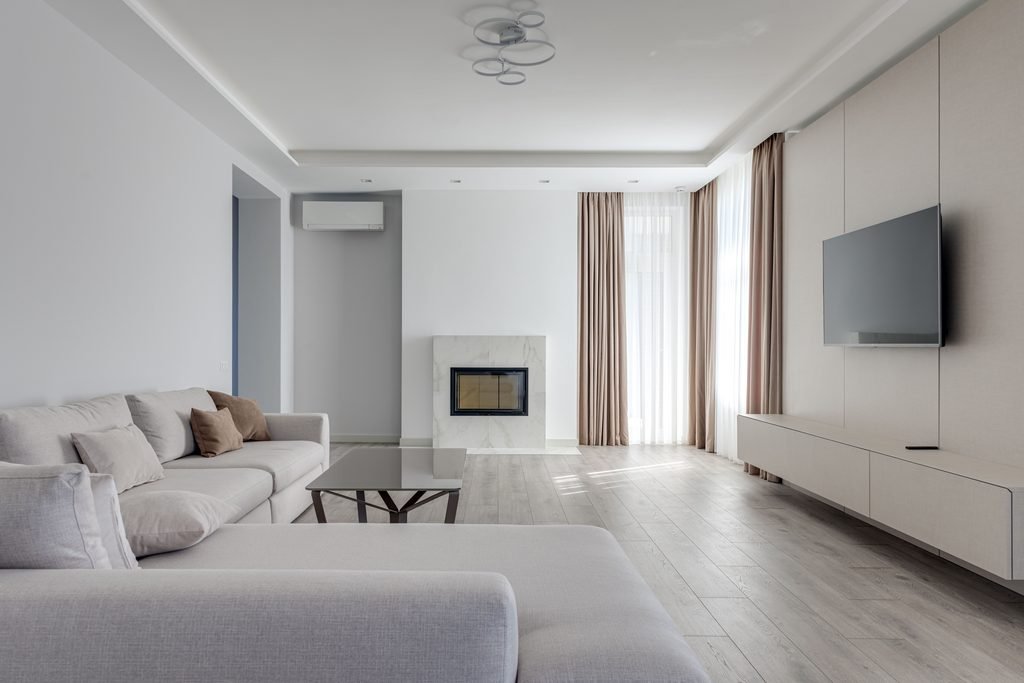
The living room is often one of the most visible spaces in a home, so even a few thoughtful changes can make a noticeable difference.
Start with the main furniture. Make sure the sofa, chairs, and coffee table leave enough room for comfortable movement.
Then add layers gradually.
A rug can help define the seating area, while cushions and a throw can add softness. Wall art can give the room personality, and a floor lamp or table lamp can make the space feel warmer in the evening.
For a polished look, avoid filling every empty surface. A few well-chosen pieces usually have more impact than a collection of unrelated accessories.
4. Home Decor Ideas for the Bedroom
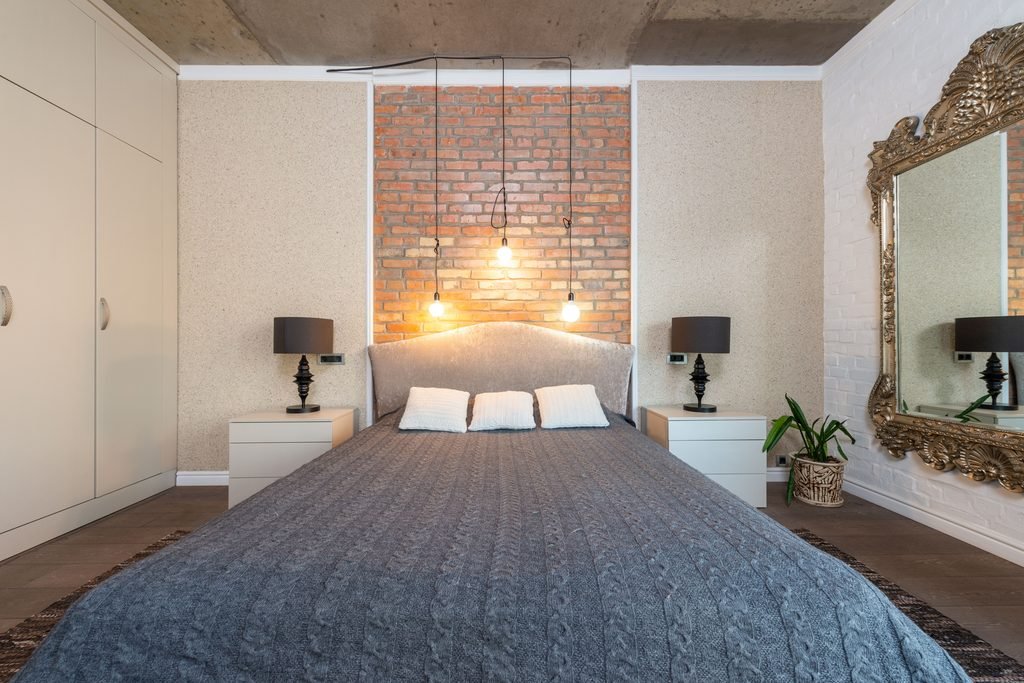
A bedroom should feel relaxing rather than visually busy.
Start with comfortable bedding and a color palette that feels calm. Soft neutrals, muted greens, warm beige, dusty blue, and other gentle tones can work well when you want a peaceful atmosphere.
Lighting also matters. Instead of relying only on one bright ceiling light, use bedside lamps or other softer sources where possible.
Keep bedside surfaces reasonably clear and use storage to hide items that would otherwise create visual clutter.
Small details such as textured bedding, curtains, a soft rug, artwork, or a few personal objects can make the room feel finished without making it crowded.
15 Amazing Cozy Bedroom Ideas for a Warm and Relaxing Space
5. Home Decor Ideas for the Kitchen
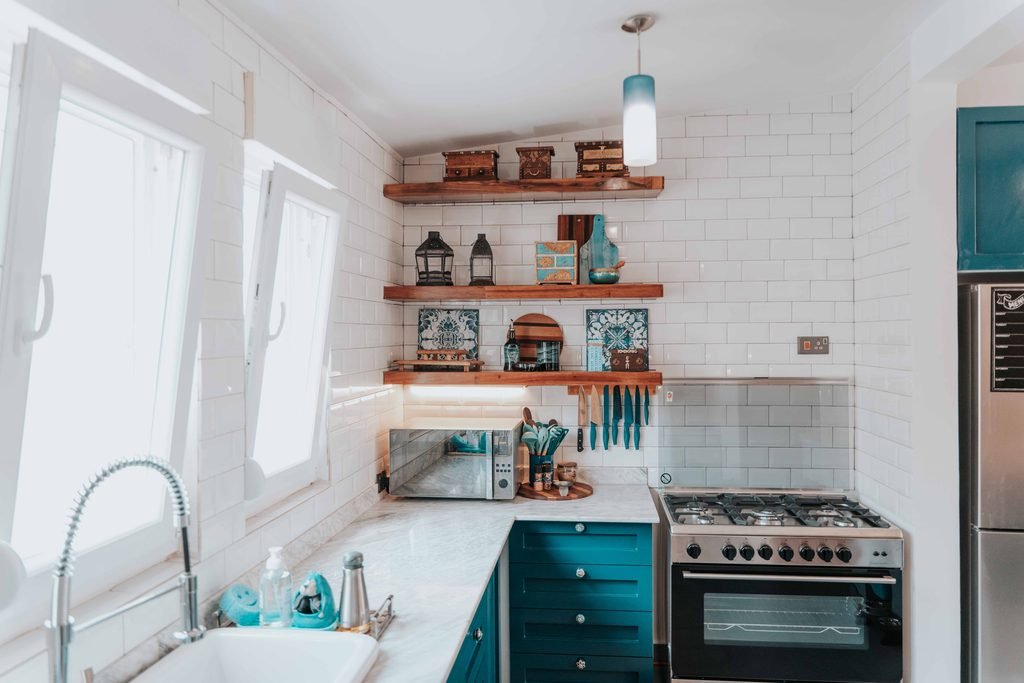
Kitchen decor should combine appearance with practicality.
Open shelves can display attractive everyday items, while baskets or containers can help organize smaller essentials. A simple runner, a few plants, wooden cutting boards, or carefully chosen countertop accessories can add warmth without taking away useful workspace.
Try to keep the busiest work areas relatively clear.
If the kitchen already has strong cabinets, countertops, or flooring, you may not need many decorative additions. Sometimes removing unnecessary items creates a cleaner and more attractive result than buying new ones.
6. Home Decor Ideas for the Bathroom
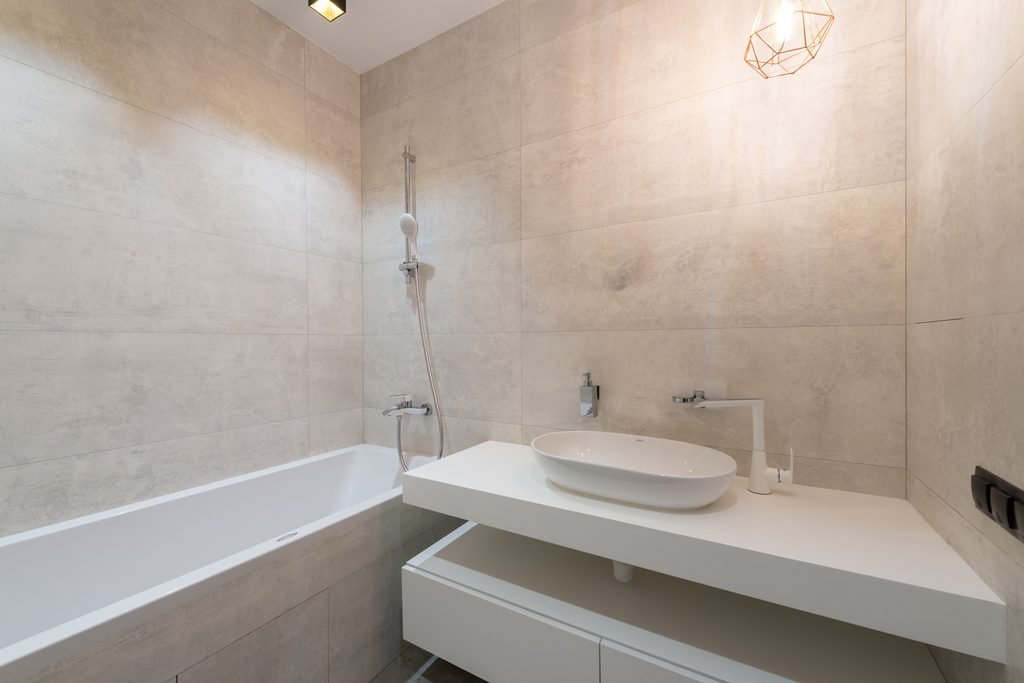
Bathrooms do not need a complete renovation to feel more polished.
Start with simple upgrades such as fresh towels, a coordinated bath mat, attractive storage containers, and a small piece of wall art suitable for the space.
Natural-looking materials can also soften a bathroom. Wood tones, woven baskets, neutral fabrics, and simple greenery can make the room feel warmer.
Keep countertops organized and avoid displaying too many products at once.
A clean, uncluttered bathroom often feels more expensive than one filled with decorative items.
7. Home Decor Ideas for Small Spaces
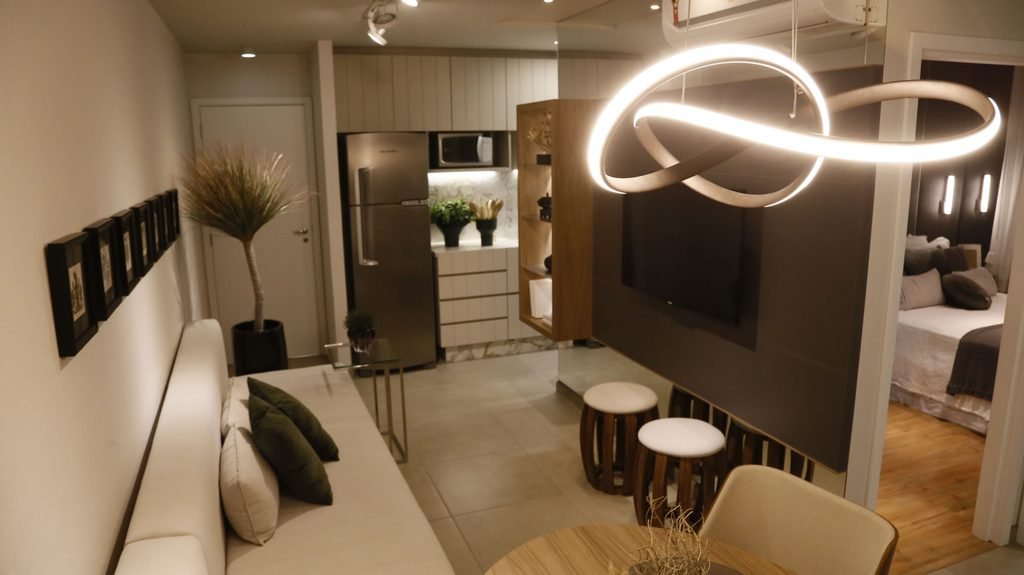
Small rooms require more attention to scale and storage.
Choose furniture that fits the room instead of simply choosing the largest pieces that can physically fit. Leave clear walking paths and use vertical space when floor space is limited.
Wall-mounted shelves, floating nightstands, storage ottomans, and furniture with built-in storage can help make better use of a compact room.
Mirrors can also be useful when placed thoughtfully, especially where they reflect light or create a greater sense of openness.
The key is to give every item a purpose while leaving some visual breathing room.
15 Small Bedroom Ideas to Make Your Space Feel Bigger
8. Make Lighting Part of the Decor
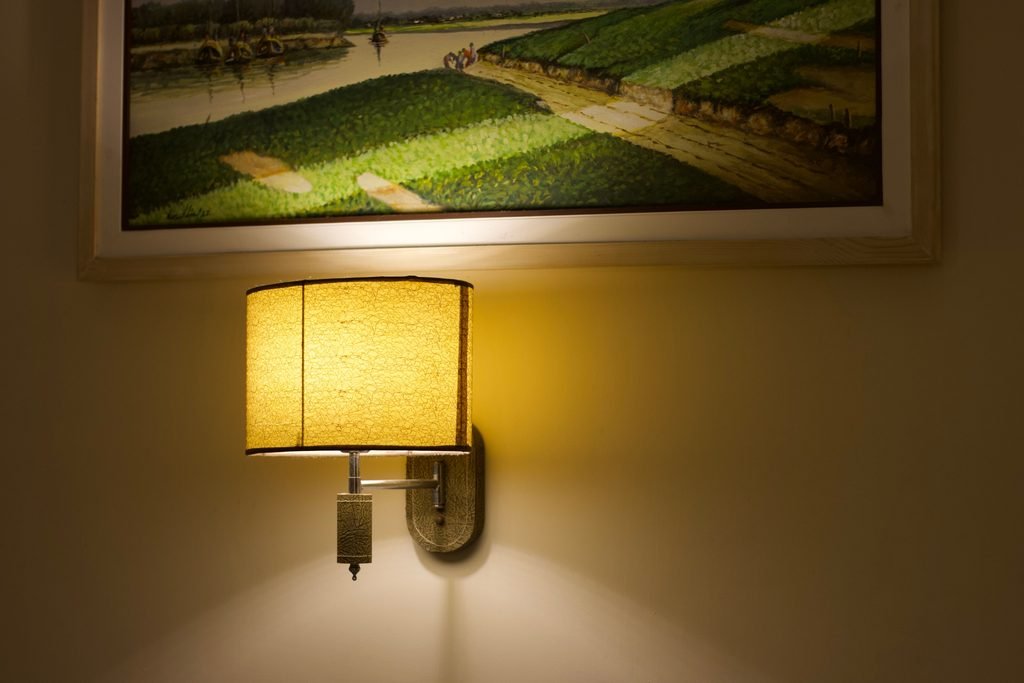
Lighting is one of the easiest ways to change the atmosphere of a room.
A room with only one overhead light can feel flat, especially in the evening. Adding different light sources creates more flexibility.
Consider a combination of:
- Ceiling lighting for general illumination
- Table lamps for smaller areas
- Floor lamps for corners
- Wall lighting where appropriate
- Natural light during the daytime
Warm lighting can create a more relaxed atmosphere in bedrooms and living areas, while brighter task lighting can be useful in kitchens, work areas, and bathrooms.
Think of lighting as part of the room’s design rather than something added at the end.
9. Use Textures to Add Warmth
Texture can make a room feel more comfortable without requiring a major change.
Mix materials such as cotton, linen, wool, wood, woven fibers, ceramic, and metal to create visual interest.
For example, a simple bedroom can feel much warmer with textured bedding and a soft rug. A living room can benefit from a woven basket, a fabric throw, and cushions with different finishes.
You do not need many patterns to create depth. Sometimes combining different textures in similar colors produces a more sophisticated result.
10. Decorate Your Walls Without Overdoing Them
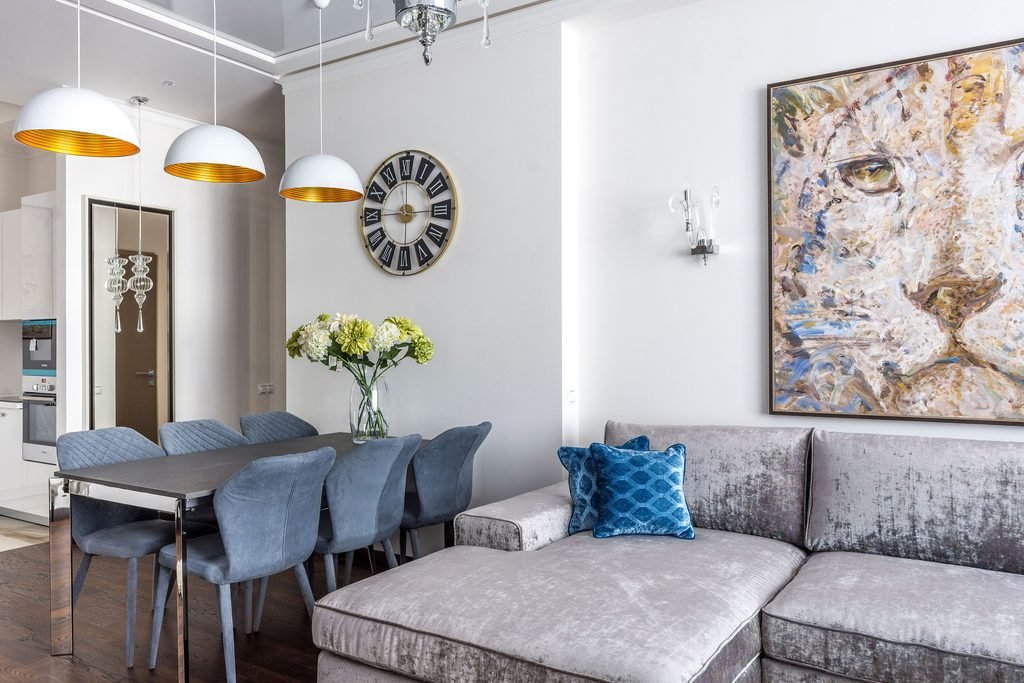
Empty walls can make a room feel unfinished, but covering every wall can have the opposite effect.
Choose artwork or decorative pieces based on the size and character of the room.
One larger piece can work well above a sofa or bed, while a small collection can be arranged as a simple gallery wall.
Mirrors, framed photographs, prints, shelves, and other wall decor can all work depending on the space.
Before hanging anything, consider the furniture underneath it and the amount of empty space around the piece. Good spacing can make even simple wall decor look intentional.
11. Add Storage That Looks Good
Storage does not have to look purely functional.
Baskets, attractive boxes, storage benches, cabinets, floating shelves, and furniture with hidden compartments can help reduce clutter while contributing to the overall style of a room.
Use visible storage for things that are attractive enough to display and hidden storage for items that create visual noise.
This approach is particularly useful in bedrooms, entryways, living rooms, and small apartments where every bit of space matters.
12. Refresh Your Home on a Small Budget
You do not need a large decorating budget to make a room feel different.
Start with changes that have a noticeable visual effect.
Rearranging furniture costs nothing. Decluttering surfaces can immediately make a room feel cleaner. Changing pillow covers, adding a throw, moving artwork, or introducing a small plant can refresh a familiar space.
You can also shop your own home.
A lamp, vase, framed print, or small table from another room may work surprisingly well somewhere else.
Before buying more decor, look at what you already have and consider whether it can be used differently.
13. Where to Spend More and Where to Save
A useful decorating strategy is to spend more carefully on items that receive frequent use and save on pieces that are easy to replace.
For example, a comfortable sofa, mattress, or well-made dining chair may deserve more attention than inexpensive decorative accessories.
You can save money on smaller items such as cushions, artwork, baskets, decorative objects, and seasonal pieces.
This does not mean everything expensive is better. It simply means that your budget should reflect how often an item is used and how long you expect to keep it.
14. Common Home Decor Mistakes to Avoid
Some decorating problems are not caused by a lack of decor but by having too much of it or using it in the wrong way.
Common mistakes include:
- Choosing furniture that is too large for the room
- Using too many unrelated colors
- Pushing every piece of furniture against a wall
- Hanging artwork too high
- Using rugs that are too small
- Relying on one light source
- Covering every surface with accessories
- Buying storage without first reducing clutter
A room usually feels more polished when there is a clear balance between furniture, decor, and empty space.
10 Decor Mistakes That Make Your Home Look Cheap (And How to Fix Them)”
15. How to Make Different Rooms Feel Connected
Your home can have different styles in different rooms while still feeling cohesive.
One easy approach is to repeat a few materials, colors, or finishes.
For example, natural wood may appear in the living room, bedroom, and kitchen. A particular accent color can appear in small amounts across several rooms.
You can also repeat similar metal finishes, fabrics, or design shapes.
The goal is not perfect matching. Instead, think of each room as part of the same home rather than as a completely separate decorating project.
16. A Simple Home Decor Formula
If you are unsure where to begin, use this simple approach:
Start with function.
Make sure the furniture and layout work for everyday life.
Choose your foundation.
Set a simple color direction and decide which larger pieces will stay.
Add lighting.
Use more than one type of light where possible.
Build texture.
Introduce rugs, cushions, curtains, throws, wood, or woven materials.
Add personality.
Finish with artwork, photographs, plants, books, or objects that have meaning to you.
Remove what feels unnecessary.
Sometimes the final step is taking something away rather than adding something new.
17. Frequently Asked Questions
What are the easiest home decor ideas for beginners?
Start with the basics: improve the layout, reduce clutter, choose a simple color palette, add better lighting, and introduce a few decorative pieces that suit the room.
How can I decorate my home on a small budget?
Focus on low-cost changes such as rearranging furniture, updating textiles, adding plants, changing artwork, improving lighting, and reusing decor you already own.
How do I make my home look more expensive?
Focus on proportion, good spacing, coordinated colors, layered lighting, and fewer but more intentional decorative pieces. A clean and balanced room often looks more polished than a heavily decorated one.
How can I make a small room look bigger?
Keep the floor and walkways clear, choose appropriately sized furniture, use vertical storage, keep the color palette controlled, and place mirrors where they can reflect useful light or open views.
Should every room in a home have the same decor style?
Not necessarily. Different rooms can have their own personality. Repeating a few colors, materials, or finishes can help the entire home feel connected without making every room look identical.
18. Final Thoughts
Good home decor is less about following every trend and more about creating spaces that work well for everyday life.
Whether you are decorating a living room, refreshing a bedroom, organizing a kitchen, or making a small space feel more comfortable, thoughtful choices can make a significant difference.
Start with what you already have. Improve the layout, remove unnecessary clutter, add better lighting, introduce a few useful textures, and then bring in personal details.
The best home decor ideas are the ones that make your home feel comfortable, functional, and genuinely yours.
Pingback: Living Room Decor Ideas: 25 Ways to Create a Cozy Space
Pingback: Rug Size Guide: How to Pick the Right Size for Any Room
Pingback: How to Style a Coffee Table: Step-by-Step Looks That Work
Pingback: Cheap Home Decor Ideas That Look Expensive: 20 Upgrades
Pingback: Home Organization Ideas: 20 Simple Systems for Any Room