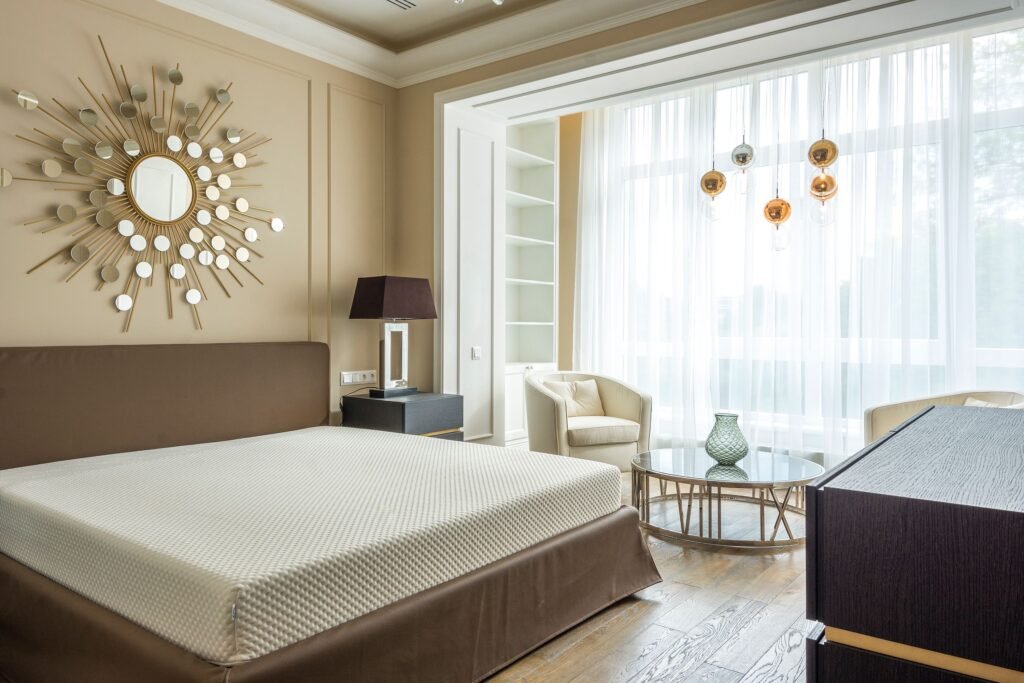
A bedroom should feel like a place where you can slow down.
It does not need designer furniture, a perfectly matched bedroom set, or a long list of expensive accessories. In many cases, the rooms that feel the most comfortable are built from fairly simple choices: a well-made bed, pleasant lighting, enough storage, a few textures, and personal details that actually mean something to you.
If your bedroom feels a little plain, crowded, or unfinished, you do not have to change everything at once. A few intentional updates can make a noticeable difference.
Here are some practical bedroom decor ideas to help you create a space that feels comfortable, personal, and easy to live in.
1. Let the Bed Set the Tone
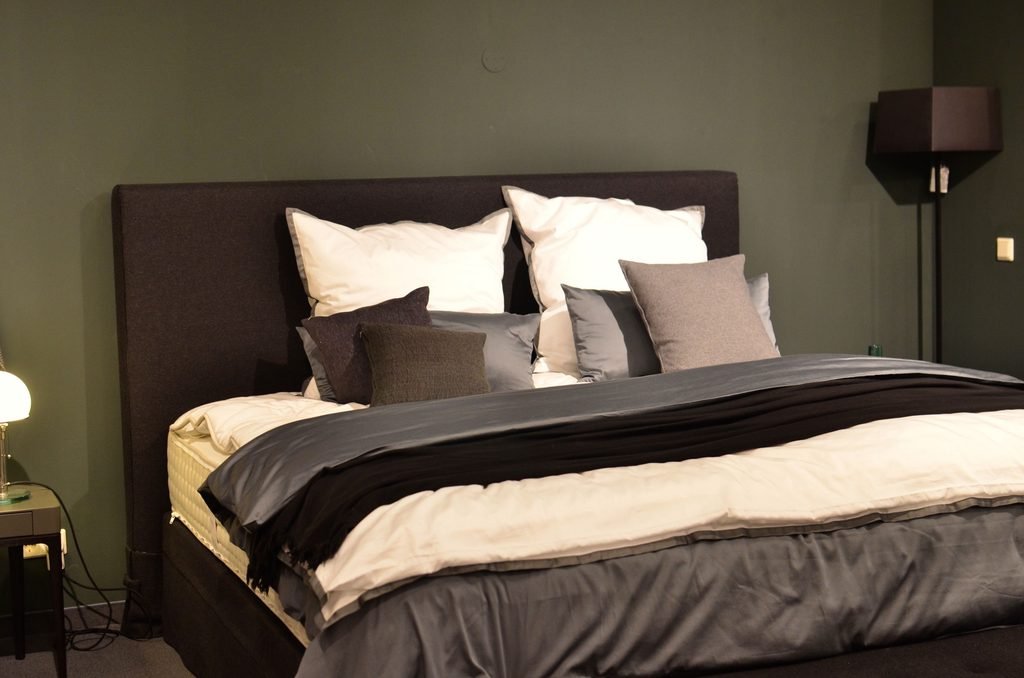
The bed naturally attracts attention, so start there.
Instead of buying an entirely new bedroom set, look at what you already have. Fresh bedding, a comfortable throw, and two or three pillows can completely change the way the room looks.
Keep the arrangement practical. A bed covered in decorative pillows may look nice in a photograph, but if you have to move everything every night, the setup quickly becomes inconvenient.
A simple, layered bed often feels more inviting than one that is overloaded with accessories.
2. Pick a Color Palette Before You Decorate
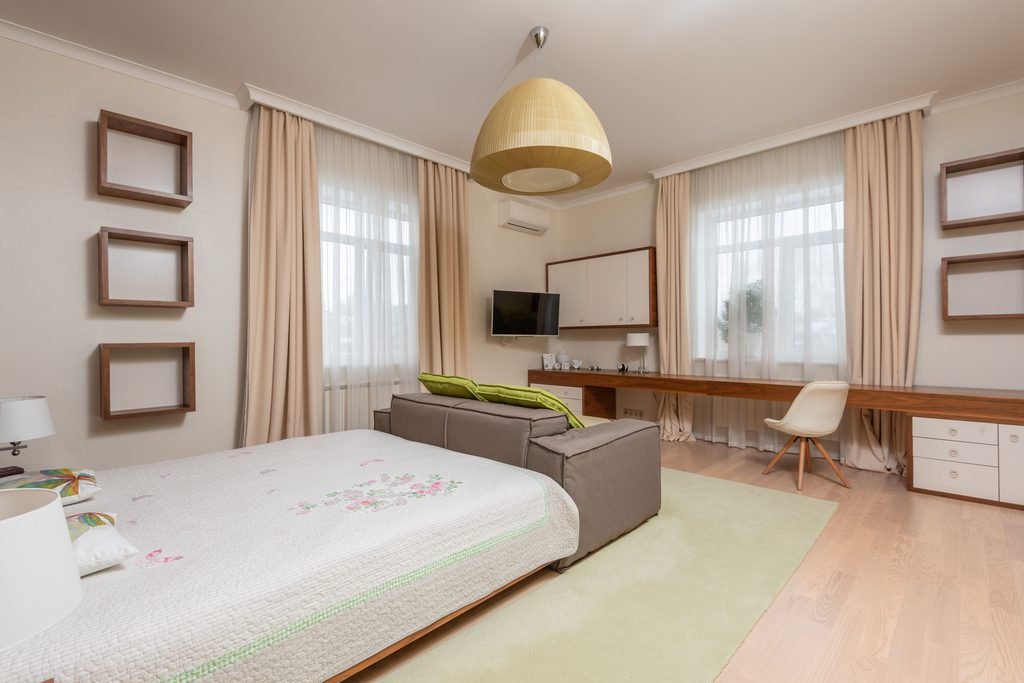
Choosing colors becomes much easier when you decide on a small palette first.
Soft whites, warm beige, muted green, dusty blue, and earthy shades can work beautifully in a bedroom. If you prefer deeper colors, use them deliberately rather than covering every surface.
One useful approach is to keep the larger elements fairly neutral and introduce stronger colors through smaller pieces such as bedding, artwork, cushions, or curtains.
That also gives you more flexibility later. Changing a few accessories is much easier than repainting the entire room.
3. Give the Room More Than One Light Source
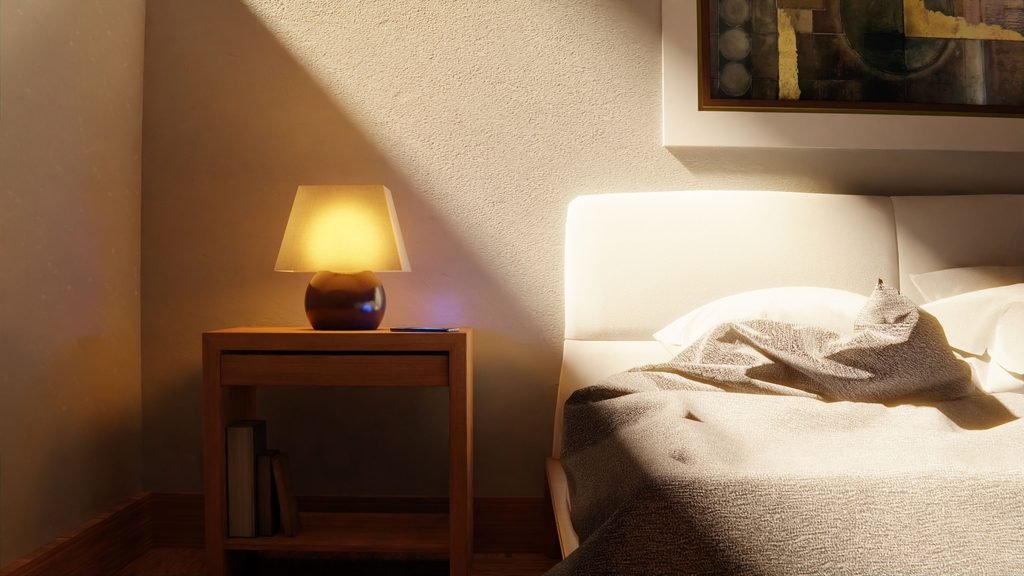
Lighting can completely change the mood of a bedroom.
A bright ceiling fixture is useful when you need plenty of light, but it does not always create the most relaxing atmosphere.
A bedside lamp can provide softer light in the evening, while a floor lamp or small accent light can brighten a darker corner.
If your room gets good daylight, make the most of it. Keep windows reasonably clear and choose curtains that suit the amount of privacy and light control you need.
Think of lighting as something you can adjust throughout the day rather than a single switch you turn on at night.
4. Use Texture to Make a Plain Room Feel Finished
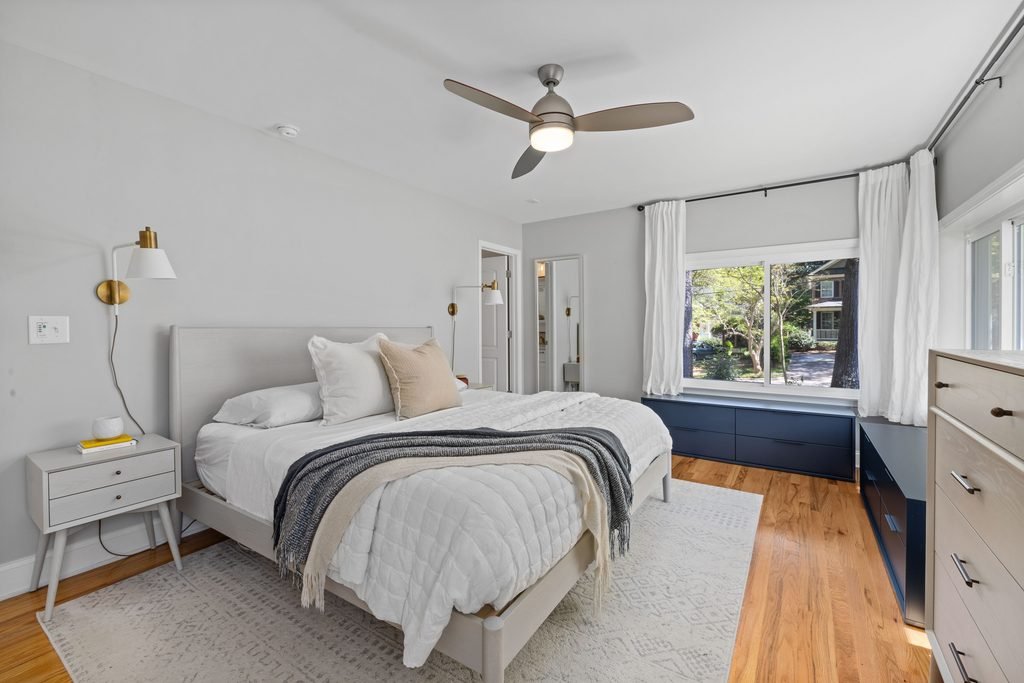
Sometimes a bedroom does not need more decoration. It simply needs more texture.
A woven blanket, soft rug, linen curtains, textured cushions, or natural wood can add depth without making the room feel busy.
The contrast between different materials is often more interesting than adding another decorative object.
For example, smooth bedding can work nicely with a chunky throw and a wooden bedside table. The room stays simple, but it no longer feels flat.
5. Treat the Walls as Part of the Design
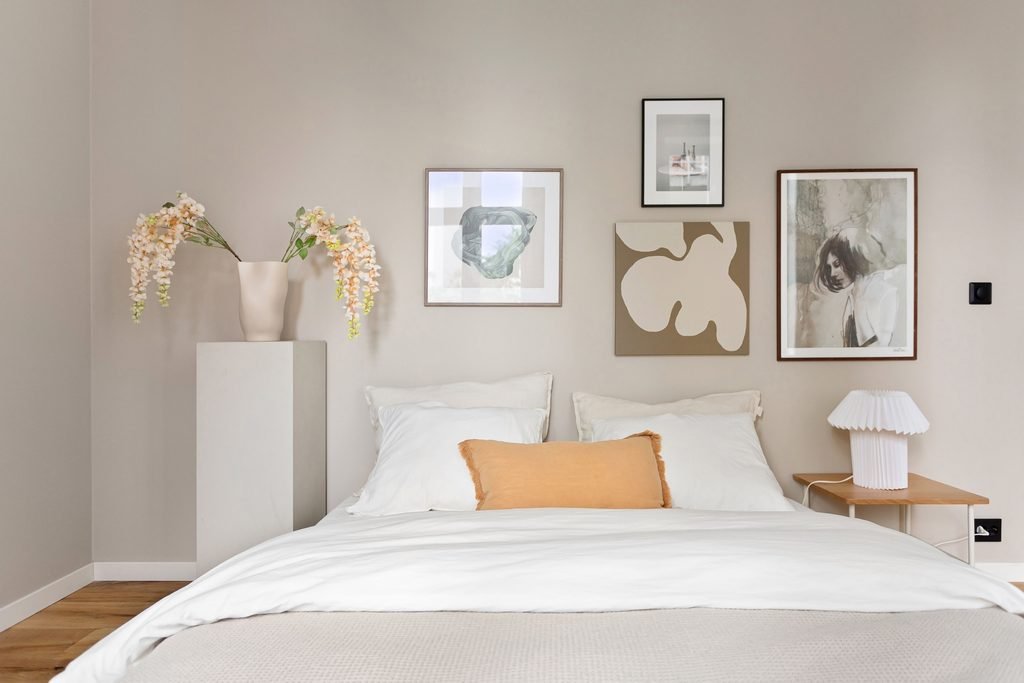
Blank walls are not necessarily a problem. The important thing is that they feel intentional.
If the wall above the bed looks empty, one larger artwork can sometimes work better than several small pieces.
A mirror can also be useful, particularly when it reflects daylight or helps a small room feel more open.
For a gallery wall, keep some connection between the pieces through color, framing, or subject matter. Otherwise, the arrangement can start to feel random.
6. Keep Your Nightstand Under Control
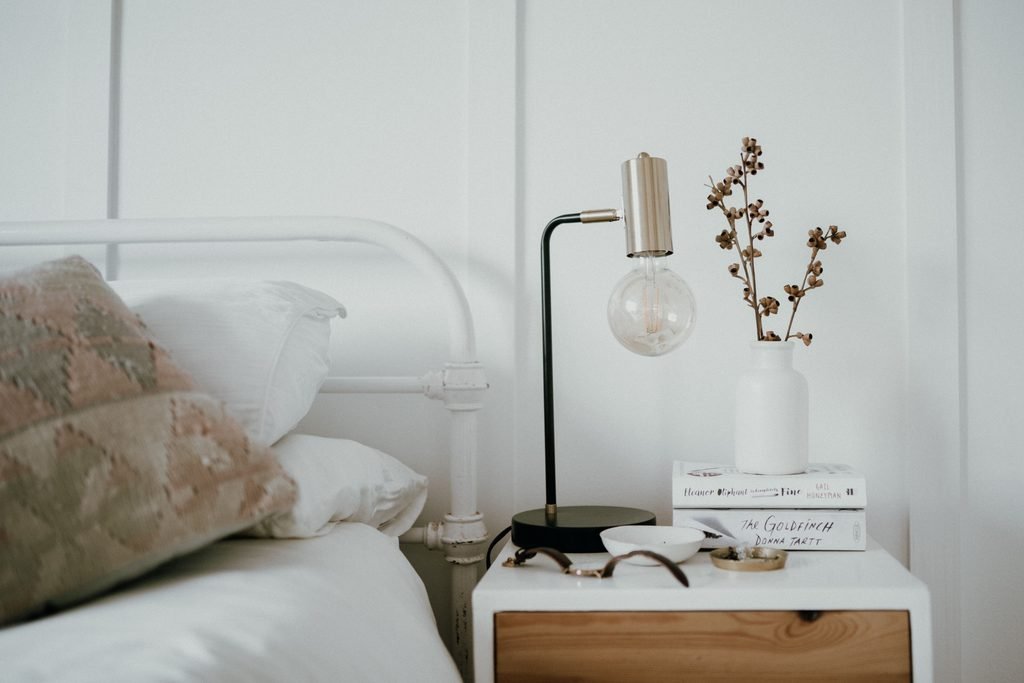
The bedside table has a habit of collecting things.
Books, chargers, cups, receipts, skincare products, and other small items can quickly turn a clean surface into a messy one.
Keep the things you genuinely use and give the rest another home.
A small tray can be useful for grouping everyday items, while a drawer can hide things that do not need to remain visible.
This is a small change, but it can make the whole bedroom feel calmer.
7. Make Small Bedrooms Work Harder
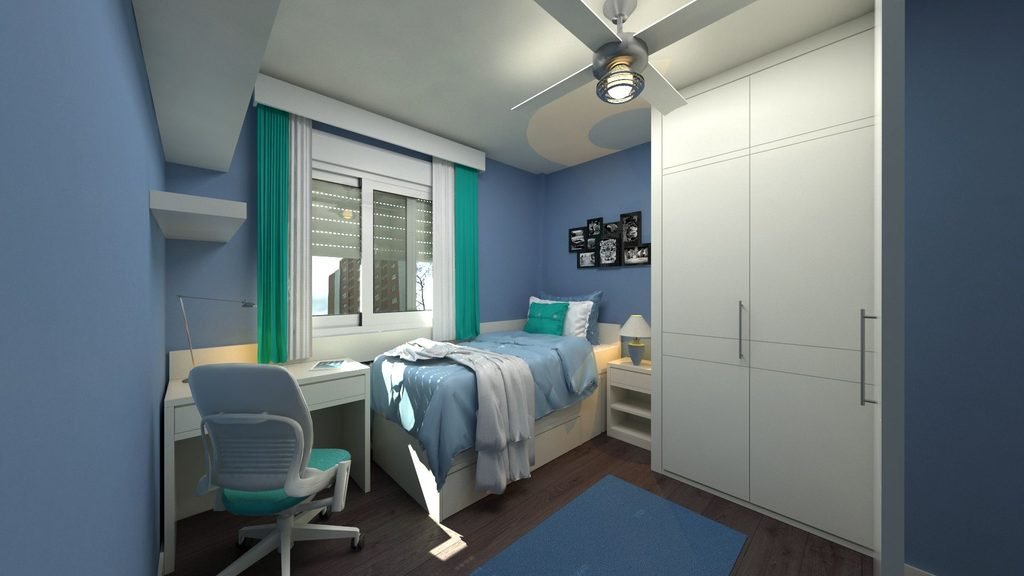
Small bedrooms need thoughtful furniture choices more than they need lots of decoration.
Before buying anything, measure the available space. A piece that looks compact in a showroom can feel surprisingly large once it is inside a bedroom.
Look for furniture that solves more than one problem. Under-bed storage, a narrow dresser, wall-mounted shelves, or a bedside table with drawers can give you useful storage without taking up unnecessary floor space.
And do not feel that every corner has to be filled. Empty space is useful too. It gives furniture room to breathe and makes the room easier to move around.
8. Choose a Mirror for More Than Decoration
A mirror should have a purpose.
A full-length mirror near a wardrobe can be practical, while a wall mirror positioned to catch daylight can make the room feel brighter.
Consider what the mirror will reflect before deciding where to put it. Reflecting a window, artwork, or an attractive part of the room can make it feel more integrated into the space.
The frame matters as well. Choose something that relates to the furniture and finishes you already have instead of treating the mirror as a completely separate element.
9. Create a Home for Everyday Clutter
Even a beautifully decorated bedroom can feel messy when everyday items have nowhere to go.
Think about what tends to accumulate in your room. Clothes, cables, books, bags, accessories, and laundry usually need different storage solutions.
Baskets can work well for larger loose items. Drawers are useful for smaller belongings, while hooks can keep frequently used bags or clothing off the floor.
The goal is not to hide everything. It is to make the room easy to reset at the end of the day.
10. Add Personal Details
This is where a bedroom starts to feel like yours rather than a showroom.
A favorite photograph, a piece of artwork, a plant, a book collection, or a handmade object can add personality without requiring a major decorating budget.
Choose things because you like them, not simply because they are currently popular.
A few meaningful details usually tell a better story than a room filled with random accessories.
11. Mix Instead of Matching Everything
Perfectly matching furniture can sometimes make a bedroom feel more like a furniture display than a lived-in space.
A little variation can make the room feel more natural.
A wooden bedside table can sit comfortably beside an upholstered bed. Plain bedding can be paired with a patterned cushion. A modern lamp can work with a traditional dresser.
The pieces do not need to be identical. They simply need to make sense together.
12. Pay Attention to the Curtains
Curtains are easy to overlook, but they can have a surprisingly strong effect on a bedroom.
Lightweight curtains can keep a room feeling bright and airy, while heavier curtains can provide more privacy and help block outside light.
The length and position also matter. Hanging curtains so they frame the window properly can make the window feel larger and give the room a more finished appearance.
Choose a fabric and color that support the rest of the room instead of competing with it.
13. Give the Room One Main Focal Point
A room becomes easier to decorate when you know what you want people to notice first.
In most bedrooms, that will naturally be the bed. But it could also be an interesting headboard, a large piece of artwork, an architectural feature, or a particularly beautiful view.
Once you have a focal point, let the surrounding areas remain relatively quiet.
This creates a sense of balance and prevents every object from competing for attention.
14. Refresh What You Already Own
A bedroom makeover does not have to begin with shopping.
Try moving the furniture first. Remove accessories that no longer serve a purpose. Change the position of a lamp or mirror. Swap your bedding for a different set if you already have one.
Even small changes can make familiar surroundings feel new.
If you eventually decide to buy something, prioritize the item that solves an actual problem rather than purchasing several decorative pieces at once.
A Simple Way to Pull Everything Together
If you are starting from scratch, think about the room in this order:
Function first. Make sure the furniture works for your daily routine.
Then color. Choose a small group of colors that sit comfortably together.
Then lighting. Give yourself more than one way to light the room.
Then texture. Use bedding, rugs, curtains, and natural materials to add depth.
Finally, personality. Bring in a few objects that make the space feel genuinely yours.
This order helps prevent one of the most common decorating problems: buying attractive things before deciding how the room actually needs to function.
Final Thoughts
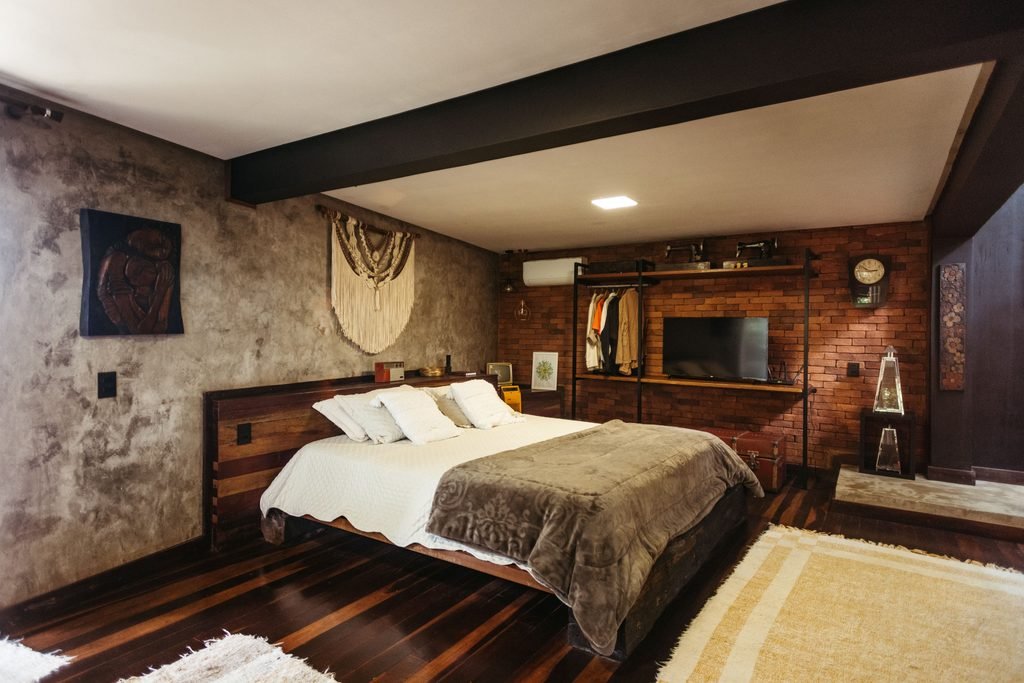
Good bedroom decor is less about following a perfect formula and more about making thoughtful choices.
Start with the things that affect everyday life: a comfortable bed, useful storage, pleasant lighting, and enough space to move around easily. From there, add color, texture, artwork, and personal details that suit your taste.
You do not need to finish the entire room in one weekend.
Make one change, live with it for a while, and see what the space still needs. A bedroom often becomes more beautiful when it develops gradually rather than being filled with everything at once.
The result should not simply look good in a photograph. It should feel good to live in.