
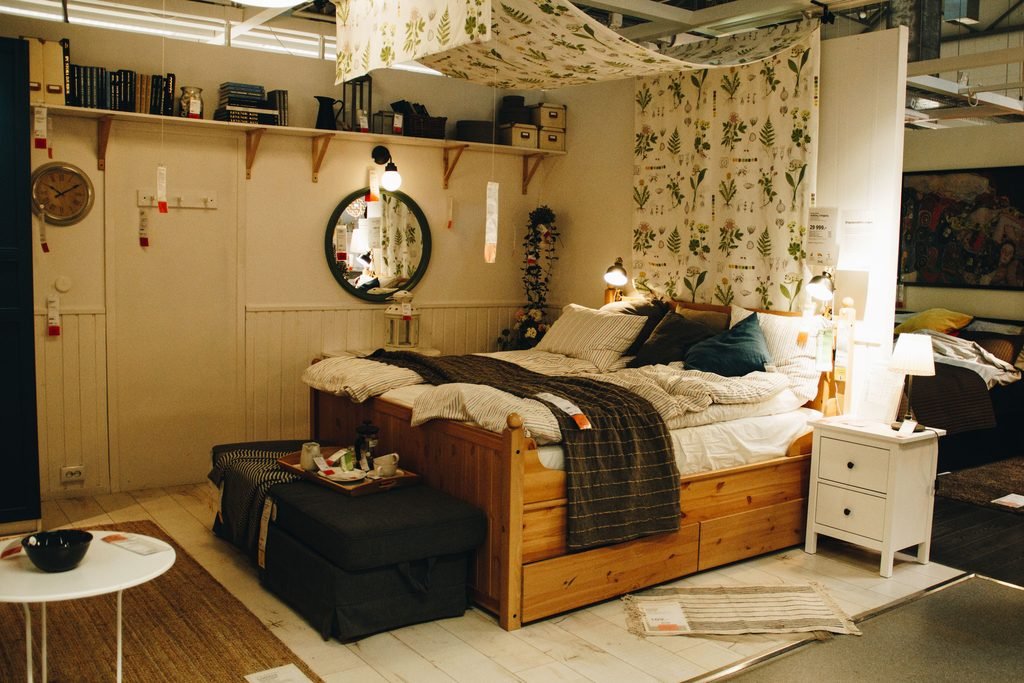
A small bedroom can still feel comfortable, stylish, and inviting. The challenge is not necessarily the size of the room, but how the available space is used.
When furniture is too large, storage is poorly planned, or too many decorative pieces compete for attention, even a reasonably sized bedroom can feel cramped. On the other hand, a few thoughtful changes can make a compact room feel more open and easier to live in.
These small bedroom ideas focus on practical improvements rather than expensive renovations. From choosing furniture that fits the room to making better use of walls, doors, and overlooked storage areas, there are simple ways to make a smaller bedroom work much harder.
1. Start With the Bed Placement
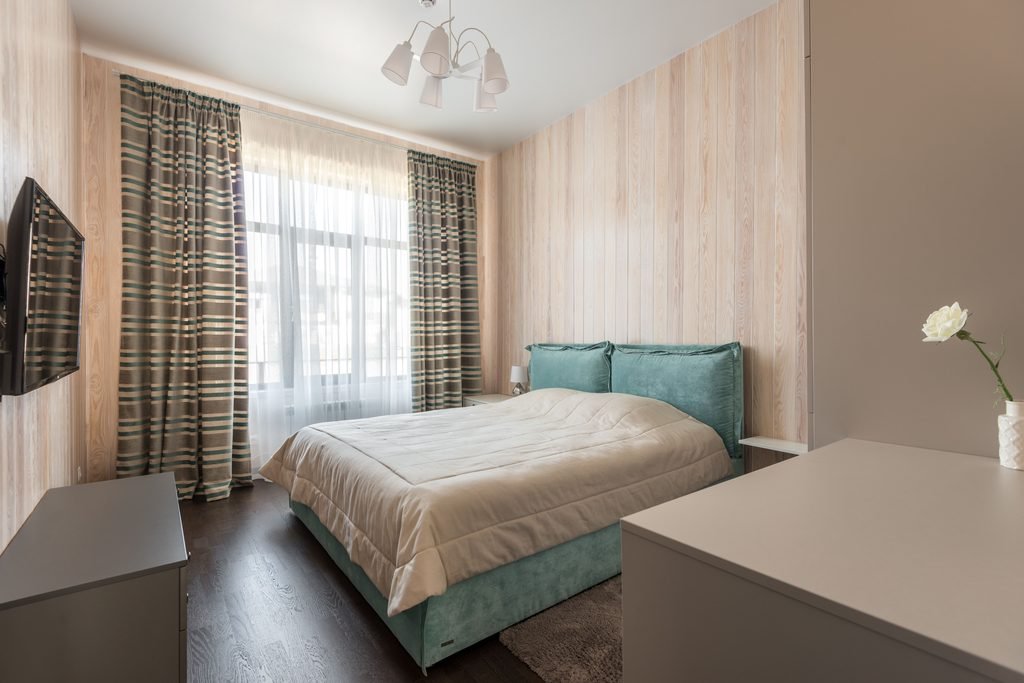
The bed usually takes up more floor space than anything else in a bedroom, so its position matters.
Whenever possible, place the bed where there is enough room to walk around it comfortably. Avoid pushing furniture into random corners simply to create more open floor space if doing so makes the room difficult to use.
Pay attention to the main walking path from the door to the bed, closet, and bathroom. A few inches of extra clearance in the right place can make everyday movement feel much easier.
Before buying anything new, try moving the existing furniture around. Sometimes the best improvement costs nothing.
2. Choose Furniture That Fits the Room
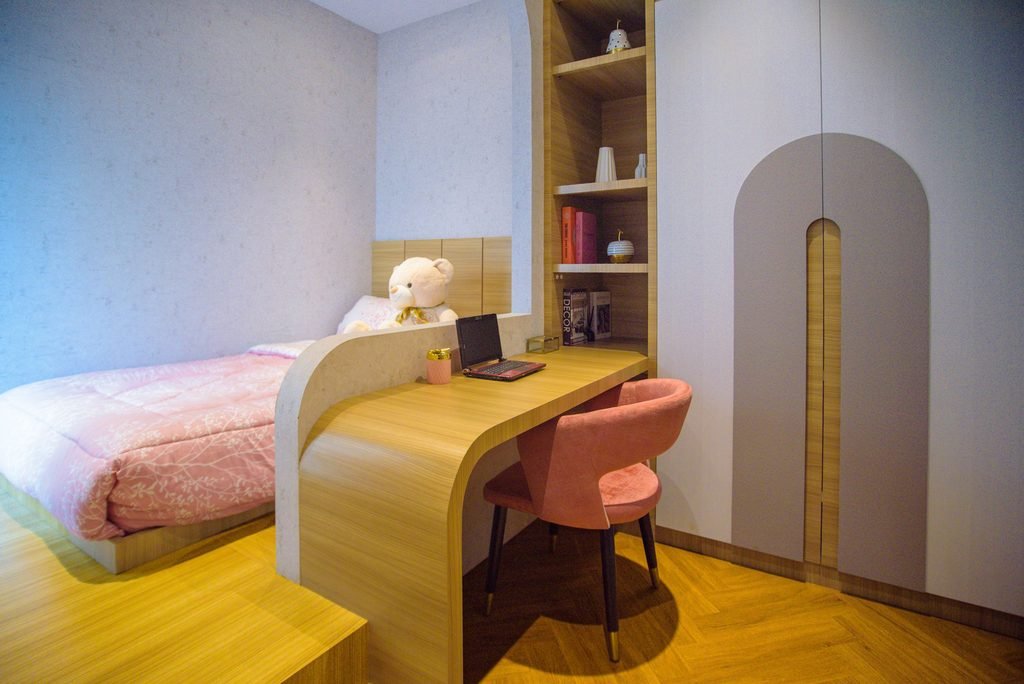
Large bedroom furniture can quickly overwhelm a small space.
A huge headboard, oversized nightstands, or a bulky dresser may look attractive in a large bedroom but can make a compact room feel crowded.
Instead, look for furniture with proportions that suit the room. A narrower nightstand or a slimmer dresser may provide enough function without taking over valuable floor space.
The goal is not to have the smallest furniture possible. It is to have furniture that gives you what you need without wasting space.
Before buying a new piece, measure both the furniture and the area where it will sit. A piece that looks reasonably sized in a showroom can feel very different once it is inside a small bedroom.
3. Use the Walls for Storage
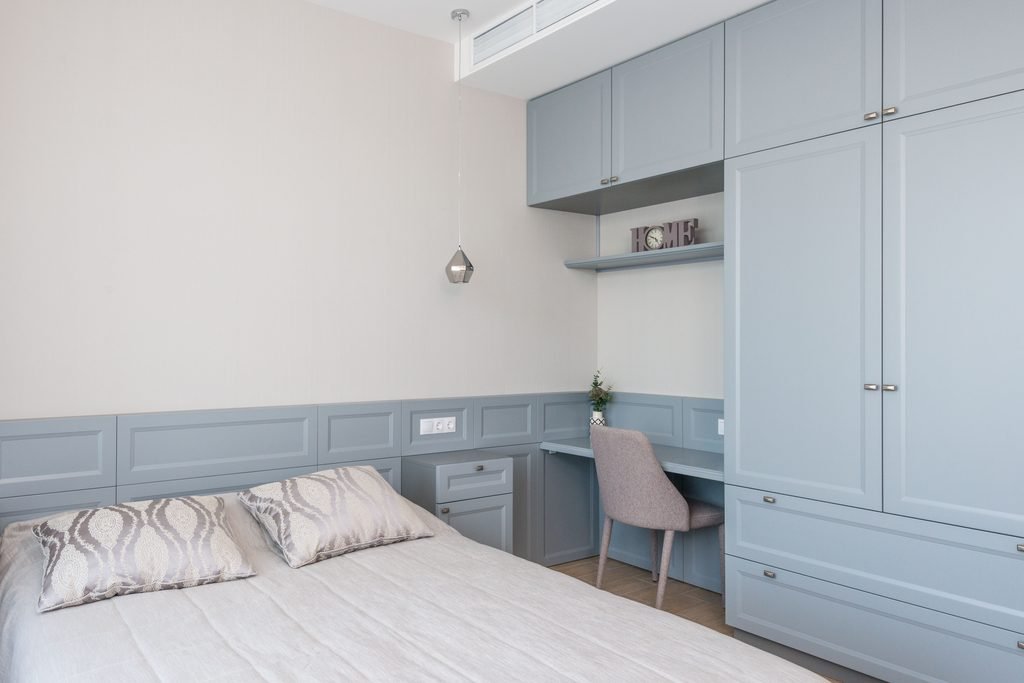
One of the easiest ways to free up floor space is to look upward.
Wall-mounted shelves, hooks, narrow cabinets, and floating nightstands can provide useful storage without taking up the same amount of floor area as traditional furniture.
For example, a floating shelf beside the bed can hold a lamp, book, phone, and a few small items while keeping the floor underneath clear.
You can also use a narrow shelf above a dresser or desk for smaller belongings that tend to collect on surfaces.
Just avoid filling every available wall with shelves and decorations. Leaving some empty wall space helps maintain a sense of openness.
4. Keep the Color Palette Simple
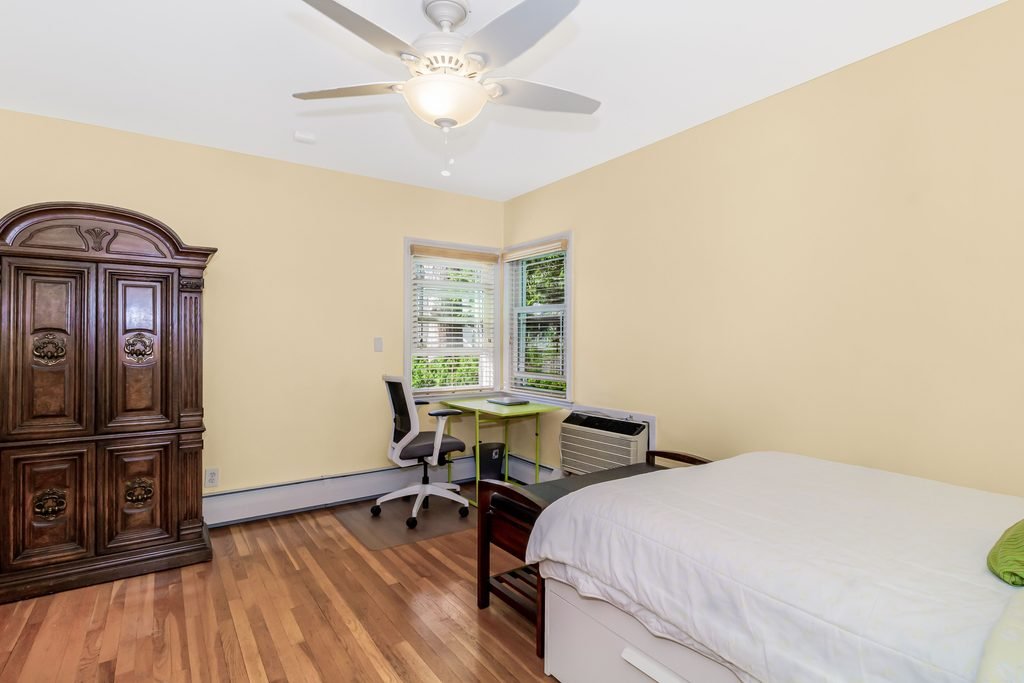
Color can have a noticeable effect on how a small bedroom feels.
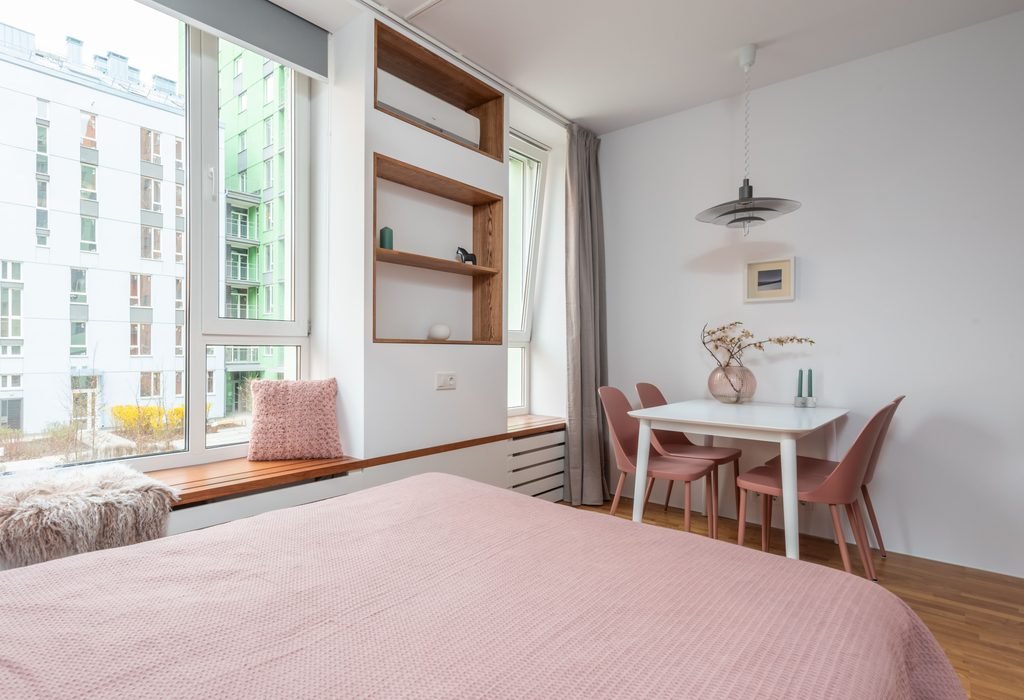
Light and soft colors can help reflect natural light and create an airy appearance. Warm whites, soft beige, muted greens, pale gray, and gentle earthy shades can work particularly well.
This does not mean a small bedroom needs to be completely white.
You can introduce darker or richer colors through pillows, artwork, bedding, curtains, or a single accent wall. Keeping the overall palette controlled prevents the room from feeling visually busy.
If the room already has several colors, start by choosing one or two shades that can repeat throughout the bedding, curtains, and accessories. This creates a more connected look without requiring a complete makeover.
5. Make Better Use of Under-Bed Space
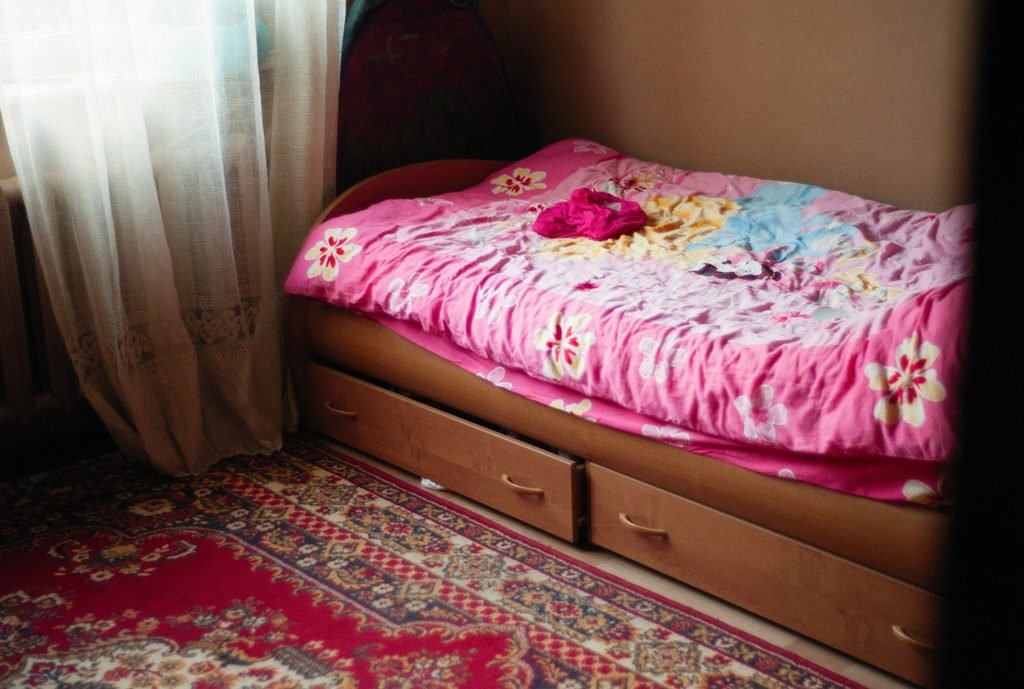
The space underneath the bed is often forgotten.
If your bed has enough clearance, storage boxes or low-profile containers can be useful for items that you do not need every day, such as seasonal clothing, spare bedding, or accessories.
Choose containers that are easy to pull out and label them if necessary. Clear containers can also make it easier to see what is stored without opening several boxes.
If you are buying a new bed, a model with built-in drawers can provide useful storage without requiring another large piece of furniture.
6. Try a Floating Nightstand
Traditional nightstands can take up more floor space than expected.
A floating nightstand attached to the wall can create a lighter appearance while still giving you a convenient surface beside the bed.
It can hold the essentials without visually adding another bulky piece of furniture to the room.
This is especially useful when the space beside the bed is narrow. It can also make cleaning the floor easier because there is less furniture sitting directly on the ground.
7. Use Mirrors Where They Actually Help
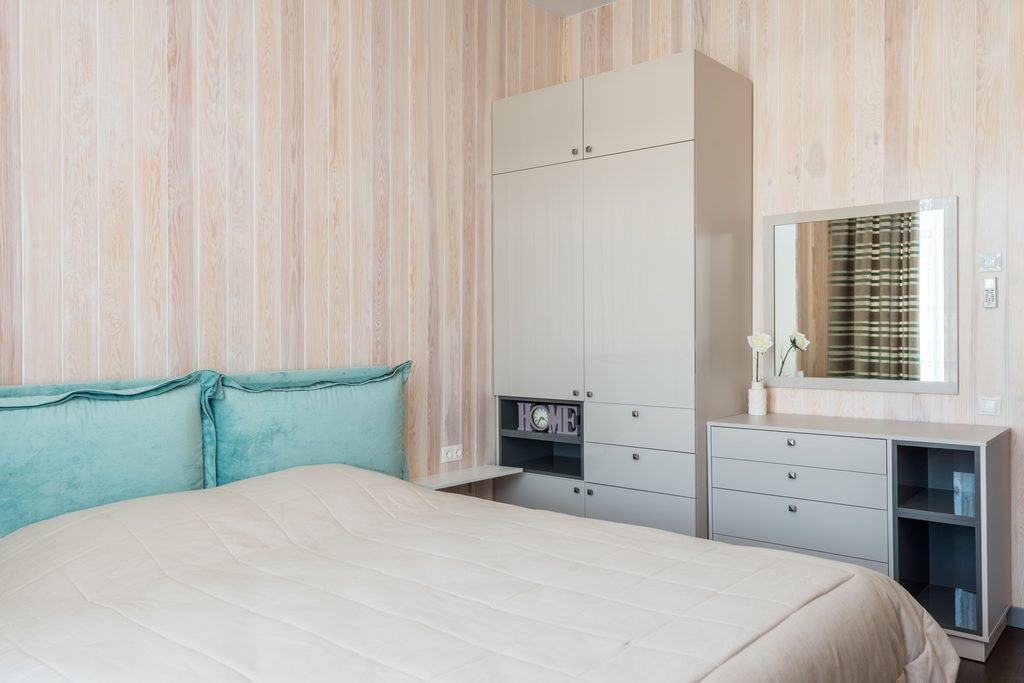
Mirrors can make a bedroom appear brighter and more open by reflecting light and creating a greater sense of depth.
A large mirror placed opposite or near a window can help spread natural light around the room.
You can also use a full-length mirror on the back of a door if wall space is limited.
However, you do not need several mirrors. One well-positioned mirror is often more effective than covering the room with reflective surfaces.
Before hanging one, stand in the room and check what the mirror will reflect. A mirror facing a bright window or an attractive part of the room can be much more useful than one reflecting a cluttered corner.
8. Choose Curtains That Hang Higher
Curtains can change the visual proportions of a room.
Instead of mounting the curtain rod directly above the window frame, consider positioning it slightly higher and allowing the curtains to extend close to the floor.
This can draw the eye upward and make the room appear taller.
For a small bedroom, simple curtains in a light or neutral color can also keep the overall look calm without adding unnecessary visual weight.
Make sure the curtains do not block too much natural light during the day. Even a small bedroom can feel more open when daylight is allowed into the room.
9. Keep the Floor as Clear as Possible
An open floor creates a strong feeling of space.
Try to avoid unnecessary baskets, chairs, decorative stands, and other objects sitting on the floor.
If something can be stored on a shelf, inside a drawer, or on the wall without making the room less functional, consider moving it there.
For example, a laundry basket that blocks the path beside the bed could be moved into a closet or replaced with a slimmer design.
You do not need an empty floor. You simply want enough visible space for the room to breathe.
10. Use Lighting at Different Levels
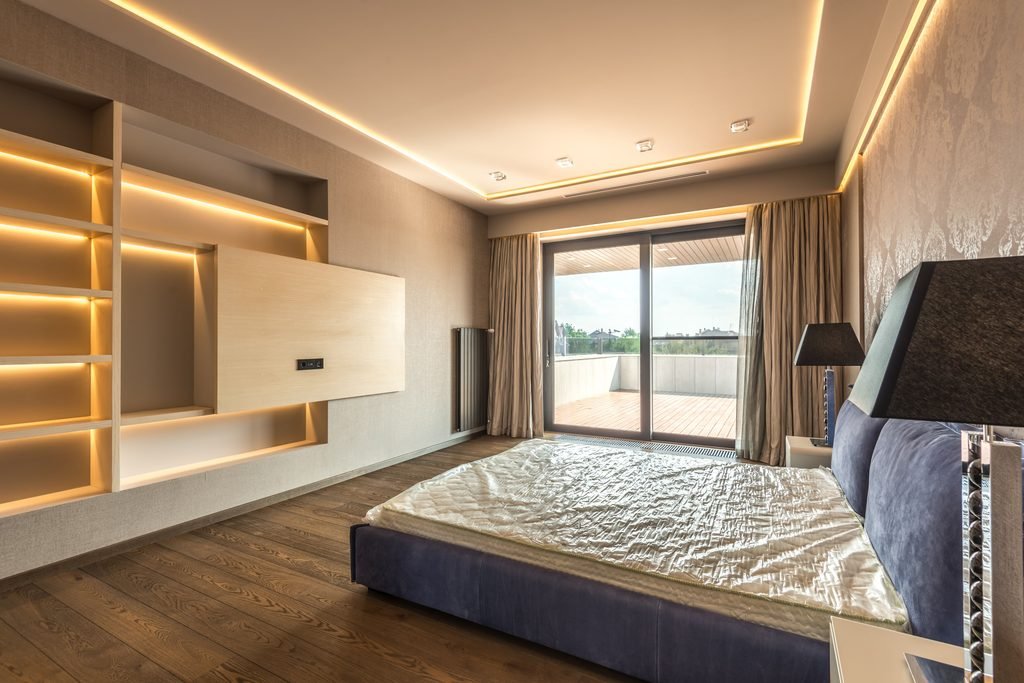
Good lighting can make a compact bedroom feel warmer and more comfortable.
Instead of relying entirely on one ceiling light, combine different sources where practical.
A bedside lamp can provide softer evening light, while a wall-mounted light can save space on a nightstand. Natural daylight should also be used whenever possible.
If the room is particularly small, wall-mounted or ceiling-mounted fixtures can be useful because they provide light without taking up valuable surface space.
Avoid extremely harsh lighting if your goal is a calm bedroom. Warm, comfortable illumination can make the space feel more inviting.
11. Pick Bedding That Does Not Overwhelm the Room
The bed is usually the visual center of a bedroom, which means bedding has a major effect on the overall appearance.
Too many pillows, heavy blankets, and strongly contrasting patterns can make a small bedroom feel visually crowded.
A simpler combination of comfortable bedding, one or two decorative pillows, and a textured throw can create interest without overwhelming the space.
Choose colors that work with the rest of the room instead of introducing several unrelated shades.
If you enjoy patterns, consider using one main pattern and keeping the rest of the bedding relatively simple. This gives the room personality without creating too much visual noise.
12. Take Advantage of the Door
The bedroom door can provide more useful space than you might expect.
Over-the-door organizers can hold accessories, shoes, small clothing items, or other belongings that would otherwise require another storage unit.
Hooks can also be useful for frequently worn items.
This is a particularly practical solution for renters or anyone who cannot make major changes to the walls.
Just keep the organizer from becoming another place where clutter collects. Use it for a specific category of items and avoid overloading it.
13. Create One Clear Focal Point
A small bedroom does not need decoration on every wall.
Instead, choose one area to attract attention. This could be the wall behind the bed, a piece of artwork, an attractive headboard, or a carefully styled section of shelving.
Keeping one main focal point makes the room feel intentional rather than cluttered.
The rest of the room can remain relatively simple, allowing the main feature to stand out.
For example, if you choose artwork above the bed as the focal point, you can keep the opposite wall relatively simple rather than adding more large decorative pieces.
14. Declutter Before Buying More Storage
This step is easy to overlook.
When a bedroom feels cramped, the first instinct may be to buy another storage cabinet. But adding more furniture can sometimes make the problem worse.
Start by going through the things already in the room.
Ask yourself what you actually use, what belongs somewhere else, and what you no longer need.
Once unnecessary items are removed, you may discover that the existing storage is enough.
A simple way to begin is to clear one drawer, shelf, or small section of the closet at a time instead of trying to organize the entire room in one afternoon.
Good organization is often about having fewer things to manage, not simply finding more places to put them.
15. Leave Some Space Empty
One of the most useful small bedroom ideas is also one of the simplest: you do not have to fill every available space.
Empty areas around furniture can make a room feel calmer and easier to move through.
A shelf does not need to be completely full. A wall does not need artwork from corner to corner. A nightstand does not need ten decorative objects.
A little breathing room can make the things you do choose to display feel more noticeable.
Instead of asking what you can add to an empty corner, ask whether leaving it open might actually make the room look better.
A Simple Small-Bedroom Formula
If you are unsure where to begin, work through the room in this order.
First, fix the layout. Make sure the bed and larger furniture allow comfortable movement.
Next, reduce clutter. Remove items that are rarely used or do not belong in the bedroom.
Then, improve storage.Use walls, under-bed space, doors, and furniture with built-in storage.
After that, work on lighting. Use natural light and a few carefully chosen light sources.
Finally, add personality. Bring in artwork, plants, textiles, or decorative pieces that genuinely fit your style.
This approach prevents you from buying decorations before solving the more important space problems.
Final Thoughts
A small bedroom does not have to feel cramped or unfinished. With the right layout, appropriately sized furniture, practical storage, thoughtful lighting, and a controlled color palette, even a compact room can feel comfortable and personal.
The best small bedroom ideas are not necessarily the most complicated ones. Often, the biggest difference comes from making better use of what is already available.
Start with one change at a time. Move the furniture, clear an unnecessary surface, improve one storage area, or change the lighting. Small improvements can gradually turn a difficult room into a space that feels much easier to enjoy.
Pingback: Home Decor Ideas for Every Room and Budget - nestorahomeguide.com
Pingback: Rug Size Guide: How to Pick the Right Size for Any Room
Pingback: Cheap Home Decor Ideas That Look Expensive: 20 Upgrades